
Thinking about your water heater? It’s a big decision for your home, and honestly, it can be confusing. You’ve got the old reliable tank heaters, and then there are these newer tankless ones. They both get the job done, but in pretty different ways. We’re going to break down the tankless vs tank water heater situation so you can figure out what’s best for you, without all the confusing tech talk.
Key Takeaways
- Tankless water heaters heat water on demand, meaning you get endless hot water but they can cost more upfront and might need gas line upgrades.
- Traditional tank water heaters are cheaper to buy and install, but they use more energy keeping water hot all the time and can run out of hot water.
- Consider your household size and how much hot water you use daily when deciding between tankless vs tank water heater.
- Space is a big factor; tankless units are small and wall-mounted, while tanks take up a decent amount of floor space.
- Long-term, tankless water heaters are generally more energy-efficient and last longer, potentially saving you money on bills over many years.
Understanding Your Water Heater Options
Choosing the right water heater is a big decision for any homeowner. It’s not just about hot showers; it’s about efficiency, cost, and how your home runs day-to-day. You’ve got two main paths to consider: the familiar tank heater and the newer tankless models. Each has its own set of pros and cons, and what works best really depends on your specific situation. Let’s break down what makes each one tick.
The Case for Tankless Water Heaters
Tankless water heaters, sometimes called on-demand heaters, are pretty neat. Instead of keeping a big tank of water hot all the time, they heat water only when you turn on a faucet or shower. This means you get endless hot water, and you’re not wasting energy heating water you’re not using. They’re also much smaller than traditional tanks, often mounted on a wall, which is a huge space saver. While the initial cost can be higher, they tend to last longer and can save you a good chunk of money on energy bills over the years. If you’re looking to upgrade and want something more efficient, a tankless system is definitely worth a close look. You can find out more about the potential long-term savings and installation considerations for these systems here.
Traditional Tank Water Heaters: A Familiar Choice
These are the water heaters most of us grew up with. They have a large, insulated tank that holds a set amount of hot water, usually between 30 to 80 gallons. When you use hot water, the tank refills and heats more. They’re generally cheaper to buy and install upfront compared to tankless models. Plus, they’re pretty straightforward – you know what you’re getting. However, they do have some downsides. They use energy constantly to keep the water hot, even when you’re not using it, which can lead to higher energy bills. Also, if you use a lot of hot water at once, like during a big laundry day or when multiple showers are running, you might run out before the tank can heat more. If your current tank heater is getting old, it might be time to start thinking about a replacement.
Key Considerations for Your Decision
When you’re trying to figure out which type of water heater is right for you, think about these things:
- Your household’s hot water needs: How many people are in your home? Do you often have multiple showers running at the same time? A busy household might benefit more from a tankless system’s endless supply.
- Available space: Tankless heaters are compact and can be mounted on walls, freeing up floor space. Traditional tanks need a dedicated spot, often in a basement or utility closet.
- Energy costs and efficiency goals: While tankless heaters have a higher upfront cost, their on-demand heating can lead to significant savings on your energy bills over time. Traditional tanks are cheaper initially but can cost more to run.
- Installation requirements: Tankless heaters might need upgrades to your home’s gas lines or electrical system, which can add to the installation cost. Traditional tanks are usually a more direct replacement for existing units.
Making the right choice involves balancing upfront costs with long-term savings and considering how your household actually uses hot water. It’s not a one-size-fits-all situation, and understanding these differences is the first step.
If you’re in the Peoria area and need professional help with plumbing issues or water heater installations, Novy Plumbing offers reliable services.
Tankless vs. Tank Water Heater: Performance and Efficiency
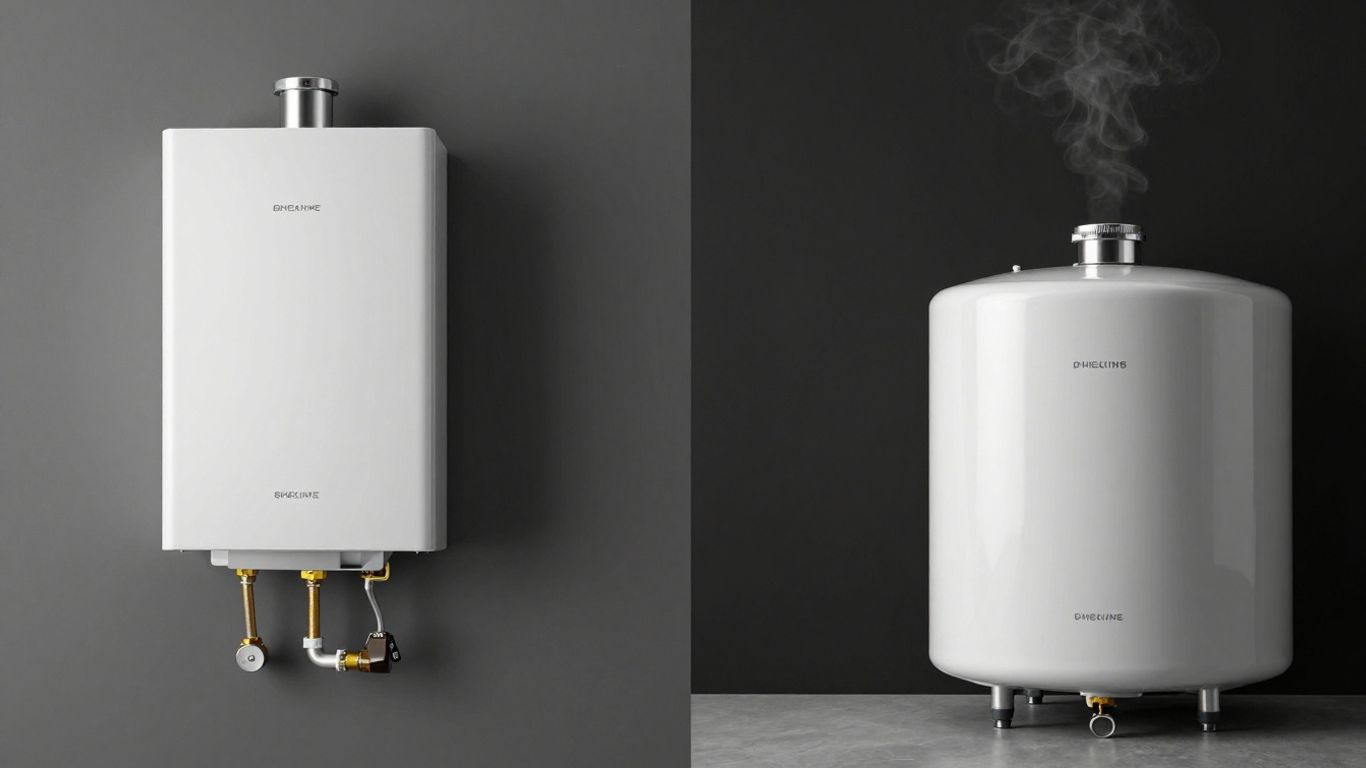
When you’re trying to figure out which water heater is best for your home, how they actually perform and how much energy they use is a big deal. It’s not just about having hot water; it’s about having it when you need it and not paying a fortune for it. Let’s break down how these two types stack up.
Energy Use and Efficiency Comparison
This is where things get interesting. Traditional tank water heaters are always on, keeping a big tank of water hot, even when you’re not using it. This constant heating means they lose energy through what’s called "standby heat loss." Think of it like leaving a pot of water on the stove on low all day – it uses energy just to stay warm.
Tankless water heaters, on the other hand, only heat water when you turn on a hot water tap. They’re often called "on-demand" heaters for this reason. This means no standby heat loss. For homes that don’t use a ton of hot water every day, a tankless unit can be significantly more energy efficient, sometimes by 24% to 34%. Even for homes with higher usage, they can still be 8% to 14% more efficient. This on-demand heating is the main reason tankless systems can lead to lower energy bills over time.
Here’s a quick look:
| Feature | Traditional Tank Heater | Tankless Heater |
|---|---|---|
| Energy Use | Constant (standby loss) | On-demand |
| Efficiency (Low Use) | Lower | Higher (24%-34% more) |
| Efficiency (High Use) | Moderate | Higher (8%-14% more) |
Hot Water Availability: Endless vs. Limited Supply
One of the biggest differences people notice is how much hot water you get. Your standard tank water heater has a set amount of hot water stored in its tank. If your family takes multiple showers back-to-back, or if you run the dishwasher and washing machine at the same time, you might run out of hot water. It’s a pretty common frustration.
Tankless water heaters don’t have this limitation. Because they heat water as it flows through them, they can provide a virtually endless supply of hot water. You can take a long shower, and then someone else can wash dishes right after without worrying about the hot water running out. This is a huge perk for larger families or homes with high hot water demands. Some people even find that installing smaller, point-of-use tankless heaters near specific fixtures, like under a sink or near a shower, can further improve hot water delivery and efficiency.
Performance Under Demand
How well do these systems keep up when you really need hot water? Tankless heaters are designed to heat water instantly. However, their performance is measured by their flow rate, usually in gallons per minute (GPM). A single shower might need 2.5 GPM, while a faucet might use less. You need to make sure the tankless unit you choose can handle the maximum GPM your household might need at any one time. For example, a 4.0 GPM unit might be great for smaller homes or apartments, but a larger family might need a unit with a higher GPM, like those offered by brands such as Eccotemp Eccotemp: Innovation in Tankless Technology.
Traditional tank heaters provide a steady stream of hot water up to their tank’s capacity. While they might not offer an endless supply, they generally provide a consistent temperature and flow rate until the tank is depleted. The key is matching the tank size to your household’s peak usage. If you’re constantly running out, it’s a sign your tank is too small or it’s time to consider a tankless system that won’t run dry. For many homeowners, the ability to get hot water whenever needed without interruption is a major factor in choosing a tankless system. It’s a noticeable upgrade from the limitations of a traditional tank.
When considering performance, think about your daily routine. Do you have multiple people showering at once? Do you run appliances that use hot water simultaneously? Answering these questions will help you determine if an on-demand system can meet your needs or if a larger tank is still the more practical choice for your specific situation.
Installation and Lifespan Differences
When you’re looking at water heaters, the way they get installed and how long they’re expected to last are pretty big deals. It’s not just about the price tag upfront, but what you’re getting into for the long haul.
Installation Complexity and Costs
Getting a new water heater hooked up can range from a simple swap to a whole project. Traditional tank water heaters are usually pretty straightforward. If you’re replacing an old one with a similar model, it might not be too bad. But tankless water heaters? They can be a bit more involved.
- Tankless systems often need new venting. This could mean running pipes through your roof or wall, which adds labor and materials.
- Gas lines might need upgrading. Tankless heaters use a lot of gas when they fire up, so your existing line might not be big enough.
- Electrical upgrades could be necessary. Some electric tankless models need a lot of power, potentially requiring a bigger breaker or even a panel upgrade.
Because of these potential complexities, hiring a qualified professional is usually the way to go for tankless installations. While it costs more upfront, it helps avoid issues down the road and ensures everything is up to code and safe.
Expected Lifespan of Each System
This is where tankless really shines. Think of it like this: a tank water heater is constantly holding and heating water, which puts a steady strain on its components. Over time, this can lead to corrosion and eventual failure. Tankless models, on the other hand, only heat water when you need it. This on-demand operation means less wear and tear.
| Water Heater Type | Typical Lifespan | Notes |
|---|---|---|
| Traditional Tank | 10-15 years | Prone to corrosion and tank leaks over time. |
| Tankless (Gas or Electric) | 20+ years | Requires regular maintenance (like descaling) to reach full potential. |
So, while a tankless unit costs more to buy and install, its longer lifespan can make it a more cost-effective choice over the many years it serves your home.
Venting and Gas Piping Requirements
Venting is super important, especially for gas water heaters, to get rid of combustion byproducts safely. Traditional tank heaters usually vent straight up through a chimney or a dedicated vent pipe. Tankless gas heaters, however, often use a different system. Many are condensing units, which means they need a special type of vent pipe, often made of plastic (like PVC), that can handle the acidic condensation they produce. This type of venting can be run horizontally through a wall, offering more flexibility in where you can place the unit.
The type of gas line needed also depends on the unit’s BTU (British Thermal Unit) rating. Higher BTU units, common in tankless models to provide more hot water quickly, require larger diameter gas pipes to ensure an adequate supply of fuel. If your home’s existing gas piping is too small, it will need to be replaced, adding to the installation cost and complexity. Always check the manufacturer’s specifications and local building codes for the correct venting and gas piping requirements.
Cost Analysis: Upfront Investment vs. Long-Term Savings
When you’re looking at water heaters, it’s easy to get caught up in the sticker price. But honestly, that’s only part of the story. You’ve got to think about the whole picture – what you pay now versus what you’ll pay over the years. It’s a bit like buying a car; the cheapest one might cost you more in gas and repairs down the road.
Purchase Price Comparison
Let’s get straight to it: tankless water heaters generally cost more upfront than traditional tank models. We’re talking a noticeable difference, often a few hundred to over a thousand dollars more, depending on the brand and capacity. Tank models are the budget-friendly option when you first buy them. However, it’s worth remembering that tankless systems are built with more advanced technology, which contributes to their higher initial price tag.
Ongoing Operating Costs
This is where the tankless heater starts to shine. Because they only heat water when you need it, they don’t waste energy keeping a big tank of water hot 24/7. This means lower energy bills month after month. Traditional tank heaters, on the other hand, have what’s called standby heat loss. Even when you’re not using hot water, the heater is working to keep the water in the tank warm, and that adds up on your utility bills. For homes that use a good amount of hot water daily, the savings from a tankless system can be quite significant over time. For example, a tankless unit can be 24%–34% more energy efficient than a conventional tank heater for homes using around 41 gallons of hot water daily.
Return on Investment Over Time
So, how long does it take for that higher upfront cost of a tankless heater to pay for itself? It really depends on your household’s hot water usage and local energy prices. But generally, the longer lifespan and lower operating costs of tankless systems mean they often provide a better return on investment over their lifetime. Most tankless units can last 20 years or more, often with replaceable parts that can extend their life even further. Traditional tank heaters typically last 10 to 15 years. While the initial cost is lower for a tank, the cumulative energy savings and longer service life of a tankless system can make it the more economical choice in the long run. It’s a good idea to look into local rebates or tax credits that might be available for installing high-efficiency units, which can help offset that initial purchase price. For more tips on maintaining your plumbing system and making informed decisions, check out resources like Novy Plumbing.
Here’s a quick look at some typical cost differences:
| Feature | Traditional Tank Heater | Tankless Heater |
|---|---|---|
| Upfront Purchase Price | Lower | Higher |
| Installation Cost | Generally Lower | Potentially Higher |
| Annual Energy Costs | Higher | Lower |
| Lifespan | 10-15 years | 20+ years |
While the initial price tag for a tankless water heater might seem steep, remember that you’re investing in a system that’s designed to be more efficient and last longer. This long-term perspective is key to understanding the true value.
Factors Influencing Your Tankless vs. Tank Choice
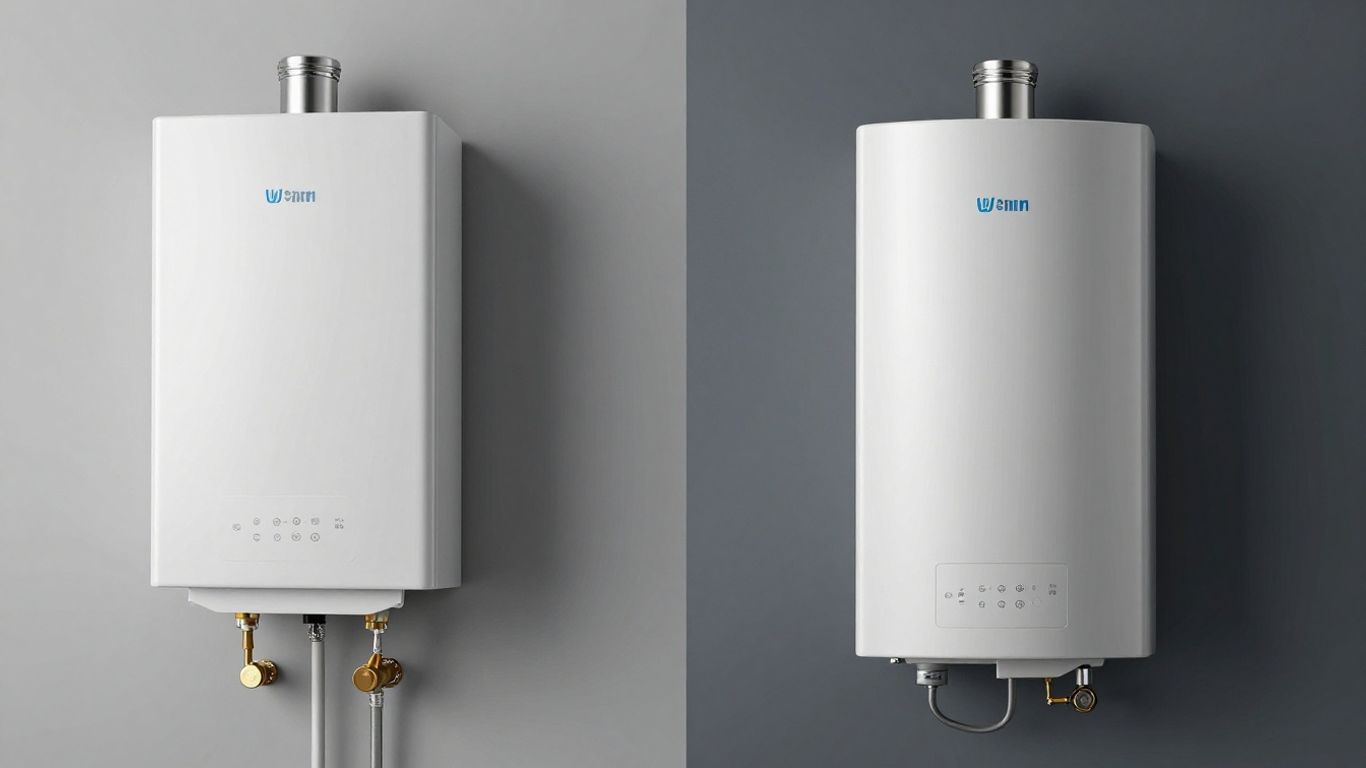
So, you’re trying to figure out which water heater is the best fit for your place. It’s not a one-size-fits-all situation, you know? A few things really make a difference in whether you should lean towards a tankless system or stick with a traditional tank. Let’s break down what you need to think about.
Household Size and Hot Water Consumption
This is a big one. How many people live in your house, and how much hot water do you guys go through? If you’ve got a large family or frequently have guests, you’re probably using a lot of hot water. Think about those mornings when everyone’s trying to shower, or when the dishwasher and washing machine are running at the same time. A traditional tank heater might struggle to keep up, leaving someone with a cold shower. Tankless heaters, on the other hand, heat water as you need it, so they can provide a continuous supply. This ‘endless’ hot water is a major perk for busy households.
- Small Household (1-2 people): A smaller tank heater or even a point-of-use tankless unit might be sufficient.
- Medium Household (3-4 people): A mid-sized tank or a standard tankless unit will likely work well.
- Large Household (5+ people): You’ll probably need a larger tank or a high-capacity tankless system to avoid running out of hot water.
Available Space and Installation Location
Where are you going to put this thing? Traditional tank water heaters are bulky. They need a decent amount of floor space, usually in a basement, garage, or utility closet. If space is tight in your home, a tankless unit is a game-changer. They’re about the size of a small suitcase and can be mounted on a wall, freeing up valuable floor space. This can be a huge advantage in smaller homes or apartments. Plus, you have more flexibility with where you can install them, as long as you have the proper venting and utility hookups.
Water Quality and Maintenance Needs
This is something people often overlook. The water quality in your area can actually impact your water heater. If you have hard water, meaning it’s high in minerals like calcium and magnesium, it can cause problems. These minerals can build up inside the heating elements or heat exchanger, reducing efficiency and potentially causing damage over time. Tankless heaters can be more sensitive to this buildup. Many manufacturers recommend treating hard water to keep your tankless system running smoothly and to maintain your warranty. Traditional tanks can also suffer from mineral buildup, but the way tankless units heat water can make the issue more pronounced if not managed. Regular maintenance, like flushing the system, is important for both types, but it’s especially key for tankless units in hard water areas.
When considering installation, especially for tankless systems, it’s wise to consult with professionals. Hiring a licensed plumber in Illinois offers significant advantages over unlicensed individuals. Licensing ensures plumbers meet rigorous state standards, possess up-to-date knowledge of codes, and are accountable for their work. Licensed professionals have proven experience, are typically insured, and provide greater trust and transparency. Choosing a licensed plumber protects your property from potential damage, avoids costly future repairs, and leads to higher customer satisfaction compared to unlicensed workers who operate without official oversight and standardized training.
Impact of Power Outages
Do you live somewhere that gets a lot of power outages? This is a pretty straightforward consideration. Most tankless water heaters, especially gas models, require electricity to operate their ignition and control systems. If the power goes out, your tankless heater won’t work, and you won’t have hot water. Traditional tank water heaters, particularly older gas models with standing pilot lights, might still function during a power outage because they don’t rely on electricity for heating. However, newer tank heaters often have electronic ignitions too, so this advantage is diminishing. If reliable hot water during outages is a must-have, you’ll need to look into backup power solutions or specific models designed for such situations.
Exploring Leading Tankless Brands
When you’re looking at tankless water heaters, a few names pop up pretty quickly. One of them is definitely Eccotemp. They’ve been around and seem to be putting out some interesting stuff in the world of on-demand hot water.
Eccotemp: Innovation in Tankless Technology
Eccotemp is a brand that really focuses on making tankless water heaters work better for people. They’ve got a range of models, and the idea is to give you hot water exactly when you need it, without keeping a big tank of hot water around all the time. This means less wasted energy, which is good for your wallet and the planet. They offer units that can handle different demands, from smaller apartments to larger homes. Their commitment seems to be to provide efficient and reliable heating solutions.
Here’s a quick look at what they offer:
- Whole-Home Tankless Water Heaters: These are designed to keep up with a busy household. They come in different flow rates, like 6.5, 6.8, and 7.0 gallons per minute (GPM), so you can pick one that matches how much hot water your family uses.
- Specific Model Example (6.5 GPM): This particular model is noted for its temperature control and efficiency. It’s available for both propane and natural gas. It’s rated to produce unlimited hot water for about 3-4 simultaneous uses, which is pretty handy.
- Versatility: Eccotemp aims to have a solution whether you’re outfitting a single house, a multi-unit building, or even a commercial kitchen. They seem to think about different setups and needs.
Choosing a tankless water heater means you’re looking for something that saves space and energy. Brands like Eccotemp are trying to make that switch easier and more effective for homeowners.
Choosing the Right Model for Your Home
So, how do you pick the right Eccotemp, or any tankless heater for that matter? It’s not just about grabbing the first one you see. You’ve got to think about a few things.
- Your Household’s Hot Water Needs: How many people live with you? Do you often have multiple showers running at once, or do you run the dishwasher and washing machine at the same time? This helps determine the GPM you’ll need. A higher GPM means it can handle more hot water use at once.
- Fuel Type: Are you using natural gas or propane? Make sure the unit you choose is compatible with your home’s fuel source. This is a pretty big deal for installation and operation.
- Installation Requirements: Tankless heaters can sometimes need upgrades to your existing gas lines or venting. It’s a good idea to talk to a professional plumber, like those who offer comprehensive plumbing services, to make sure your home is ready for the installation and that it’s done correctly.
When you’re comparing different tankless water heaters, you’ll find brands like Rinnai, Navien, and Rheem alongside Eccotemp. Each has its own strengths, and looking at reviews and specifications for various tankless water heaters can help you narrow down the best fit for your specific situation.
Thinking about upgrading your water heater? We’ve looked at some of the top tankless brands out there. These modern units can save you energy and give you endless hot water. Want to learn more about which one is best for your home? Visit our website today to see our full reviews and find the perfect fit!
So, Which Water Heater Wins?
Alright, so we’ve talked about the good and the not-so-good of both tank and tankless water heaters. Honestly, there’s no single ‘best’ answer for everyone. If you’re looking to save space and maybe cut down on your energy bills over the long haul, a tankless unit could be a solid choice, especially if you’ve got the right setup for it. But if you’re on a tighter budget upfront or just want something simple that works, a traditional tank heater still gets the job done. Think about how much hot water your household actually uses, how much space you have, and what you’re willing to spend now versus later. Making the right pick just means finding the system that fits your life and your home best.
Frequently Asked Questions
Which is better: a tank or a tankless water heater?
It really depends on what’s most important to you! Tankless heaters save energy and space, but they cost more upfront. Tank heaters are cheaper to buy at first, but they use more energy and take up more room. Think about your budget, how much hot water you use, and how much space you have.
What are the good things about tankless water heaters compared to tank ones?
Tankless heaters give you hot water all the time, so you never run out. They’re also much smaller and can save you money on your energy bills because they only heat water when you need it.
Is it worth spending more on a tankless water heater?
That’s a big question! If you have a large family that uses a lot of hot water, or if you want to save money on energy in the long run, a tankless heater might be worth the higher initial cost. Over time, the energy savings can add up.
Can a tankless water heater run out of hot water?
While tankless heaters provide hot water on demand, they might have trouble keeping up if many people are trying to use hot water at the exact same time, like when multiple showers are running. It’s less likely to happen with a tank heater that holds a large amount of hot water.
Do tankless water heaters need special installation?
Yes, often they do. Installing a tankless heater can be more complicated than a regular tank heater. You might need to upgrade your home’s gas lines or electrical wiring, which can add to the cost.
What happens to a tankless water heater during a power outage?
Since tankless water heaters use electricity or gas to heat water, they usually won’t work if the power goes out. This means you might not have hot water during an outage, which is something to consider if your area has frequent power problems.