
Thinking about a tankless water heater? They’re becoming a popular choice for homes, and for good reason. People like them because they heat water only when you need it, which can save energy and money. But what’s the real deal with the tankless water heater cost? We’ll break down what you can expect to spend on buying one, getting it installed, and what it costs to keep it running, comparing it to your old tank heater.
Key Takeaways
- The initial tankless water heater cost, including the unit and installation, is usually higher than for traditional tank heaters, often ranging from $1,200 to $3,800 or more.
- Installation expenses can vary widely based on whether you need gas line upgrades, new venting, electrical work, or other home modifications.
- Despite the higher upfront price, tankless systems can save you money on energy bills over time due to their on-demand heating, potentially reducing yearly costs by 8% to 34%.
- Tankless water heaters typically last longer than tank models, often 20 years or more, which can offset the initial investment through fewer replacements.
- Look into federal tax credits and local rebates, as these incentives can help reduce the overall tankless water heater cost and make the switch more affordable.
Understanding Tankless Water Heater Cost Factors
When you’re looking into getting a tankless water heater, the first thing that pops into mind is usually the price tag. And yeah, it’s a bit more involved than just picking one off the shelf. Several things play a role in how much you’ll end up spending on the unit itself.
Unit Price Variations
The actual cost of the tankless unit can swing quite a bit. You’re generally looking at anywhere from $500 to $2,000 for the heater itself. If you want a top-of-the-line model with all the bells and whistles, like super high flow rates or advanced digital controls, you could easily push past $2,000. Brands also matter; some names just cost more than others, even for similar specs. It’s like buying a car, really – you can get a basic model or one loaded with features.
Fuel Type Considerations
Another big factor is what powers your heater. You’ve got gas and electric options, and they each have their own price points and installation needs. Gas units tend to be a bit pricier upfront and often need more complex venting, but they’re usually better for handling high hot water demand in larger homes. Electric models are often cheaper to buy and simpler to install, but they might require electrical upgrades and can sometimes struggle if you’re running multiple hot water appliances at once. Choosing the right fuel type is key to balancing upfront costs with long-term performance.
Flow Rate and Efficiency Ratings
Think about how much hot water your household actually uses. This is where flow rate, measured in gallons per minute (GPM), comes in. If you have a big family or often run the dishwasher, washing machine, and shower all at the same time, you’ll need a unit with a higher GPM. These higher-capacity units naturally cost more. Efficiency ratings are also important. A more efficient unit will save you money on energy bills over time, but it usually comes with a higher initial price tag. It’s a trade-off between saving money now versus saving money later. For example, a unit with a 95% efficiency rating will cost more than one with an 85% rating, but it will use less energy to heat the same amount of water.
It’s easy to get caught up in the sticker price, but remember that the unit cost is just one piece of the puzzle. Installation, potential home modifications, and ongoing energy use all add up. Thinking about the total cost of ownership from the start will help you make a better decision for your home and your wallet.
Here’s a quick look at how some factors can influence the unit price:
- Brand: Premium brands often cost more.
- GPM: Higher flow rates for larger homes mean higher costs.
- Efficiency: Top-tier efficiency usually comes with a higher price.
- Features: Smart controls or special modes add to the cost.
If you’re unsure about what you need, talking to a professional plumber can really help. They can assess your home’s needs and recommend the right type of unit. You can find local pros who can help with this, like those at Novy Plumbing.
Navigating Tankless Water Heater Installation Expenses
So, you’re thinking about ditching that old tank for a new tankless water heater. That’s great! They’re super efficient and can save you money in the long run. But before you get too excited, let’s talk about the upfront costs, because installing one isn’t always a walk in the park. The actual installation is often where the biggest price differences pop up.
Core Installation and Labor Costs
When you get down to it, the basic hook-up of the tankless unit itself, plus the plumber’s time, is a significant chunk of the expense. This includes connecting the water lines, gas or electric supply, and the venting system. Depending on your home’s current setup and the complexity of the job, you could be looking at anywhere from $500 to $1,200 just for this part.
Necessary Home Modifications
This is where things can get a bit pricey, especially if your house isn’t already prepped for a tankless system. Many older homes might need upgrades to their existing infrastructure. For gas models, you might need a bigger gas line run to the unit, or the existing venting might not be up to code for the new appliance. Electric tankless heaters, on the other hand, often demand more power, meaning your electrical panel might need an upgrade to handle the extra load. These modifications can add anywhere from $250 to $900 or even more, depending on what exactly needs to be done.
Here’s a quick breakdown of potential home modifications:
- Gas Line Extension/Upgrade: If your current gas line is too small for the higher BTU needs of a tankless unit, it’ll need to be enlarged or extended. This can cost between $300 and $900.
- Venting Reroute/Replacement: Gas tankless heaters need proper exhaust. If the current venting isn’t suitable, it will need to be modified or replaced, adding $200 to $600.
- Electrical Circuit Upgrade: For electric tankless models, a dedicated, higher-amperage circuit might be necessary, costing $250 to $800.
- Old Tank Removal: If you’re switching from a traditional tank heater, you’ll have to pay for the removal and disposal of the old unit, typically $100 to $300.
Don’t forget to factor in smaller items like new water lines, fittings, and shut-off valves. While they might seem minor individually, they add up quickly and are important for a safe and functional installation.
Permits and Professional Expertise
Most towns and cities require permits for this kind of work, and the fees can vary quite a bit. You’ll also want to make sure you’re hiring a licensed professional who has experience specifically with tankless water heaters. They know the local building codes and can ensure the job is done right, which is super important for safety and for keeping your warranty valid. Getting multiple quotes from reputable plumbers is a smart move to get a clearer picture of your total installation cost. You can find some great advice on plumbing maintenance and common issues from sources like Novy Plumbing.
Remember, while the initial sticker shock might seem high, these installation costs are part of setting up a system that’s designed to save you money on energy bills for years to come.
Long-Term Financial Benefits of Tankless Systems
While the initial price tag for a tankless water heater might make you pause, the real financial story unfolds over the years. These systems are designed to save you money in the long run, making them a smart choice for many households.
Annual Energy Savings Potential
This is where tankless heaters really shine. Unlike traditional tank heaters that constantly keep a large volume of water hot, tankless units only heat water when you turn on a faucet or appliance. This ‘on-demand’ heating means no wasted energy keeping water warm 24/7. For homes that don’t use a ton of hot water daily, the savings can be quite noticeable, potentially cutting energy use by up to 34%. Even for busier households, you’re still looking at significant reductions compared to older tank models. The continuous heating of traditional tanks leads to ‘standby heat loss,’ a problem tankless systems simply don’t have.
Here’s a quick look at potential savings:
- Low Daily Use (under 41 gallons): 24%–34% energy savings.
- Moderate Daily Use (41-70 gallons): 15%–24% energy savings.
- High Daily Use (over 70 gallons): 8%–14% energy savings.
Extended Unit Lifespan
Another major financial plus is how long these units tend to last. While a standard tank water heater might give you about 8 to 12 years of service before corrosion and leaks become an issue, tankless models are built to go much longer. With proper care, you can expect your tankless system to keep running reliably for 20 years or even more. This means you’re likely only paying for installation once every two decades, rather than needing to replace a tank heater multiple times within that same period. Think about it: one tankless unit could outlast two or even three traditional tanks!
Offsetting Upfront Investment
So, how do these savings add up? When you combine the lower annual energy bills with the extended lifespan, the higher initial cost of a tankless system starts to look a lot more reasonable. Over its 20+ year life, a tankless heater can save you thousands of dollars compared to repeatedly buying and installing less efficient tank models. It’s an investment that pays dividends year after year. Plus, with potential federal tax credits and local rebates available in 2026, you might be able to reduce that upfront cost even further. If you’re looking for a plumbing service that can help you understand these options, Novy Plumbing is a great resource.
It’s easy to get caught up in the sticker price, but when you look at the total cost over the life of the appliance, tankless water heaters often come out ahead. The energy savings alone are compelling, and the fact that you won’t have to deal with replacing the unit as often is a huge relief, both for your wallet and your schedule.
Ongoing Tankless Water Heater Ownership Costs
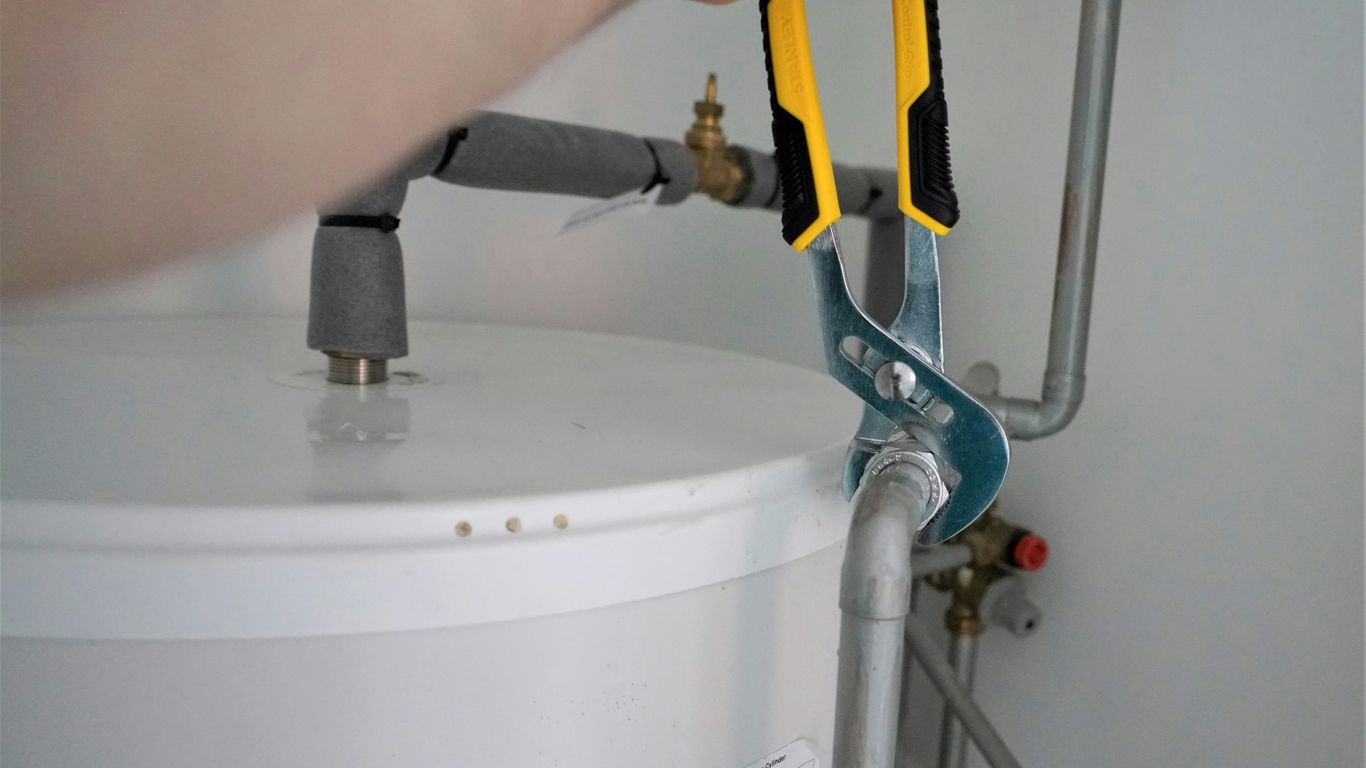
So, you’ve got your shiny new tankless water heater humming away, providing endless hot water. That’s awesome! But like any appliance, it’s not a ‘set it and forget it’ kind of deal. There are a few things you’ll need to keep in mind to keep it running smoothly and avoid unexpected bills down the road.
Routine Maintenance Requirements
Think of maintenance like giving your car an oil change. It’s not glamorous, but it keeps things from breaking down. For tankless units, this usually means an annual check-up. A professional will flush out the system to get rid of any mineral buildup, clean out filters, and just generally make sure everything is in good working order. This simple upkeep can really extend the life of your unit and keep it running efficiently. Skipping this step, especially if you have hard water, is asking for trouble.
Here’s a typical maintenance checklist:
- Flushing the heat exchanger to remove scale.
- Cleaning the air intake filters.
- Checking that all sensors and valves are working right.
- Looking for any signs of rust or leaks.
Costs Associated with Hard Water
If you live in an area with hard water – meaning it’s got a lot of minerals like calcium and magnesium – your tankless heater is going to work harder. These minerals can build up inside the unit over time, kind of like gunk in a pipe. This buildup slows down the water flow and makes the heater less efficient. It can even lead to damage if left unchecked. You might need to get it flushed more often than someone with soft water, and sometimes special descaling solutions are required. This is where getting quotes from licensed plumbers becomes important, as they can advise on the best approach for your specific water conditions. Hiring a licensed plumber in Illinois, for example, offers significant advantages over unlicensed individuals [2879].
The mineral deposits from hard water can really clog up the small passages inside a tankless unit. It’s like trying to drink through a straw that’s half blocked. This not only makes your hot water pressure suffer but also forces the heater to work overtime, using more energy and potentially shortening its lifespan if not addressed.
Potential for System Upgrades
Technology doesn’t stand still, and neither does your water heater. While tankless units are built to last, there might come a time when an upgrade makes sense. Maybe a new model comes out that’s significantly more energy-efficient, or perhaps you’ve expanded your home and need a unit with a higher flow rate to keep up with demand. While the initial cost of a tankless system can be higher than a traditional one, their lifespan of 20+ years means you’re likely only replacing it once or twice in your lifetime, unlike traditional tanks that might need replacing every 8-12 years [7148]. Considering the long-term value, these upgrades are often part of a smart, cost-effective home improvement strategy.
Incentives and Rebates for Tankless Water Heaters
So, you’re thinking about going tankless, huh? That’s great! They’re super efficient and give you endless hot water. But yeah, the upfront cost can feel a bit steep. The good news is, there are ways to bring that price down. Think of it like getting a discount on your new, fancy water heater. We’re talking about federal tax credits and local rebates that can really help.
Federal Tax Credit Eligibility
For 2026, there’s a pretty sweet deal if you’re looking at certain high-efficiency tankless models. The Energy Efficient Home Improvement Credit might let you claim a tax credit for a portion of the cost. To qualify, your gas tankless water heater usually needs to have a specific efficiency rating, like a Uniform Energy Factor (UEF) of 0.95 or higher. Electric models might have different requirements. It’s not a huge amount, maybe up to $600, but hey, every bit counts, right? You’ll want to check the exact rules with the IRS or a tax professional to make sure your chosen unit fits the bill before you buy.
Local Utility Rebate Opportunities
Beyond the federal stuff, your local gas or electric company might have its own incentives. These vary a lot depending on where you live. Some utilities offer direct rebates, meaning they send you a check or a credit on your bill after you install an eligible unit. Others might have special programs for energy-efficient upgrades. It’s definitely worth a call or a quick look at their website. You might be surprised what you find!
Here’s a general idea of what to look for:
- Check your utility provider’s website: Look for sections on energy efficiency, rebates, or home improvement programs.
- Contact their customer service: Ask specifically about rebates for tankless water heaters.
- Note eligibility requirements: Make sure the model you’re considering meets their criteria (e.g., ENERGY STAR certified, specific efficiency rating).
- Understand the application process: There’s usually a form to fill out and proof of purchase required.
Remember, these programs can change, so it’s always best to confirm current offers before you commit to an installation. Getting these rebates can significantly lower your out-of-pocket expenses.
Maximizing Savings with Incentives
Putting it all together, these incentives can make a big difference. You might get a federal tax credit and a local rebate. That’s like getting a double discount! It helps offset that higher initial price tag of a tankless system, making the switch much more affordable. Plus, you’re getting a more energy-efficient unit that saves you money on your utility bills every month. It’s a win-win situation, really. You save money upfront and then continue to save over the life of the heater. So, do your homework on these programs – it’s totally worth the effort.
Comparing Tankless to Traditional Water Heater Expenses
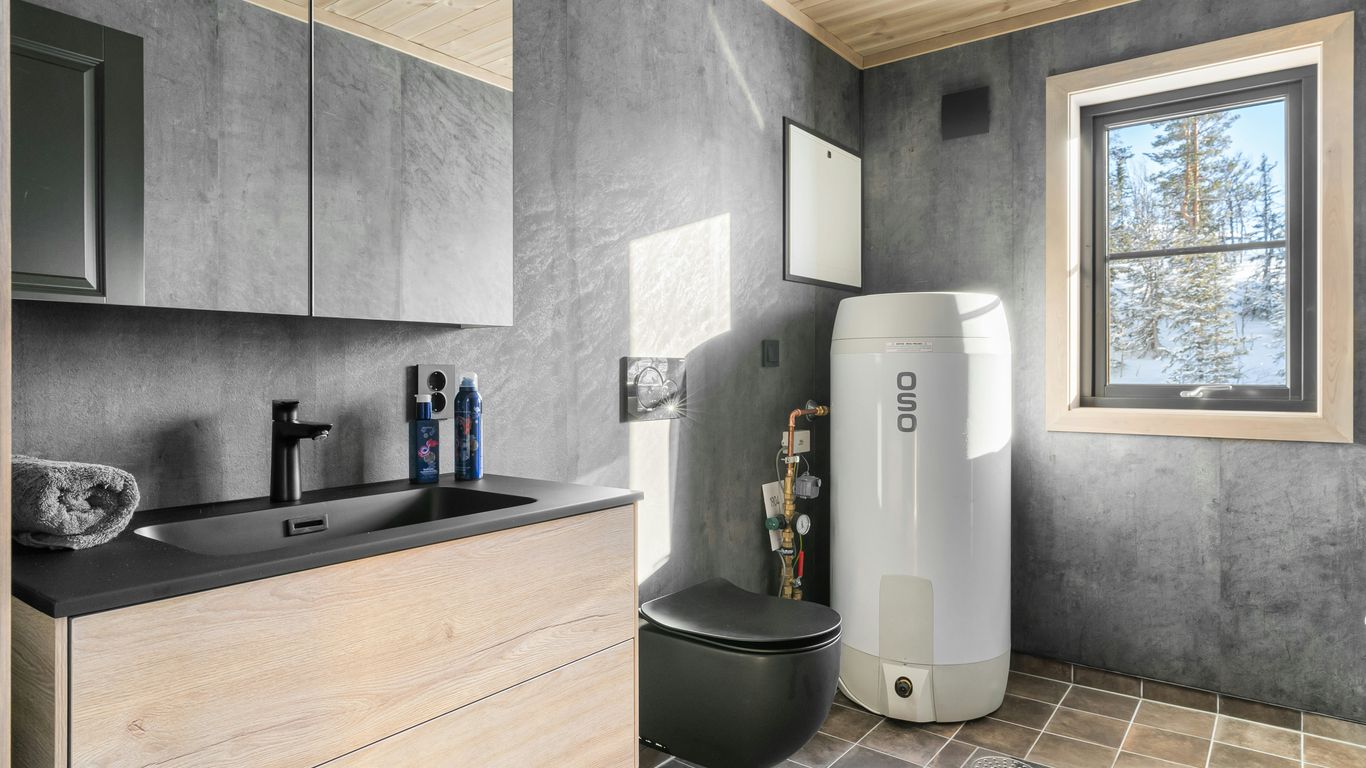
Alright, let’s talk about how tankless water heaters stack up against the old-school tank models when it comes to your wallet. It’s not just about the price tag you see at the store; there’s more to the story.
Initial Purchase and Installation Price Differences
When you first look at buying a water heater, tankless units usually cost more upfront. We’re talking a bigger initial investment for the unit itself, and often, the installation can be pricier too. This is because tankless systems might need new venting, gas line adjustments, or even electrical upgrades, depending on what you’re replacing. Traditional tank heaters, on the other hand, tend to have a lower entry price. You can often find a basic tank unit for a few hundred dollars, with installation being relatively straightforward and less expensive. It’s like comparing a basic sedan to a more feature-rich SUV – both get you from point A to point B, but the initial cost is different.
Here’s a rough idea of what you might expect:
| Water Heater Type | Average Unit Cost | Average Installed Cost | Total Upfront Cost |
|---|---|---|---|
| Traditional Tank (Gas/Electric) | $300 – $1,500 | $300 – $1,000 | $600 – $2,500 |
| Gas Tankless | $1,000 – $2,500 | $1,000 – $2,000 | $2,000 – $4,500 |
| Electric Tankless | $800 – $2,000 | $800 – $1,500 | $1,600 – $3,500 |
Keep in mind these are just averages, and your specific situation, like needing major upgrades for a tankless system, could push these numbers higher. It’s always a good idea to get a few quotes from local pros, like those at Novy Plumbing.
Lifespan and Replacement Cost Analysis
Now, where tankless really starts to shine is in its lifespan. These units are built to last, often around 20 years or even more with good care. Traditional tank heaters? They typically last about 8 to 12 years before you start thinking about replacement. This difference is huge over time. Imagine buying one tankless heater that lasts two decades, versus buying two or even three tank heaters in that same period. You’re not just paying for the unit each time; you’re paying for installation labor multiple times with a tank system. So, while the initial cost is higher for tankless, you’re spreading that cost over a much longer period, and avoiding repeat installation fees.
- Tankless Lifespan: 15-20+ years
- Tank Lifespan: 8-12 years
- Fewer Replacements: Saves on unit cost and installation labor over the long haul.
When you look at the total cost of ownership over 15 or 20 years, the higher upfront price of a tankless system often gets paid back through energy savings and fewer replacement purchases. It’s a classic case of spending a bit more now to save a lot later.
Overall Value Proposition Over Time
So, is a tankless water heater worth the extra initial cash? For many people, the answer is a resounding yes, especially when you look beyond the sticker price. The energy savings are real – tankless heaters only heat water when you need it, unlike tanks that constantly keep a big tank of water hot, losing energy through standby heat loss. This can lead to noticeable reductions in your monthly utility bills, sometimes by as much as 24% to 34% for homes with lower hot water usage. Plus, the extended lifespan means fewer headaches and costs down the road. When you factor in potential rebates and tax credits, which we’ll cover later, the payback period for the higher initial investment can be shorter than you think. It’s about looking at the total picture, not just the first bill. If you’re in the Peoria area and need expert advice on which system might be best for your home, consider checking out comprehensive plumbing services.
When thinking about water heaters, it’s smart to compare the costs. Traditional tank water heaters are usually cheaper to buy at first. However, tankless water heaters can save you money over time because they only heat water when you need it. This means less energy is wasted. Thinking about which type is best for your home and wallet? We can help you figure out the best choice for your needs. Visit our website to learn more about water heater options and get a free quote!
So, Is It Worth It?
Alright, so we’ve talked a lot about the costs involved with tankless water heaters, from buying the unit itself to getting it all hooked up. It’s definitely more cash upfront compared to those old tank models. But, when you look at how much less energy they use and how much longer they tend to last – we’re talking potentially 20 years or more – those initial expenses start to look a lot more reasonable. Plus, with those tax credits and rebates floating around, you might be able to knock a good chunk off the price. For most folks, making the switch seems like a solid move for saving money down the road and getting that endless hot water supply. It’s a smart upgrade for your home, really.
Frequently Asked Questions
How much does a tankless water heater typically cost to buy and install?
The cost for a tankless water heater, including installation, can range quite a bit. You might spend anywhere from $1,200 to $3,800. This price depends on whether you choose a gas or electric model, the brand, how powerful it needs to be for your home, and any extra work needed to install it, like upgrading pipes or electrical wires.
Are tankless water heaters really more energy-efficient than traditional ones?
Yes, they are! Unlike old tank heaters that keep water hot all day, tankless heaters only warm up water when you turn on a faucet. This means you’re not wasting energy heating water you don’t use. For homes that don’t use a ton of hot water daily, you could see energy savings of 24% to 34%.
How long do tankless water heaters usually last compared to regular ones?
Tankless water heaters are built to last much longer. While a regular tank water heater might need replacing every 8 to 12 years, a tankless unit can often last 20 years or even more with good care. This means you won’t have to pay for replacements as often.
What kind of maintenance do tankless water heaters need?
To keep your tankless heater working well, it’s a good idea to have it professionally cleaned and flushed once a year. This helps remove any mineral buildup, especially if you have hard water. This service usually costs around $150 to $350.
Can I get any help with the cost through tax credits or rebates?
You might be able to! Some high-efficiency tankless water heaters can qualify for federal tax credits, which could save you a good amount. Also, check with your local utility companies, as they sometimes offer rebates for installing energy-saving appliances like tankless water heaters.
Is a tankless water heater worth the higher upfront cost?
For most people, yes. Even though they cost more to buy and install, the energy savings over time, their much longer lifespan, and the fact that they save space make them a smart investment. Over many years, they can end up costing you less than a traditional tank heater.