
Key Takeaways
Choosing among plumbing services is easier when you identify the problem, verify the plumber’s qualifications, compare written estimates, and confirm local availability before work begins.
- Match the plumber’s experience to the actual problem.
- Treat leaks, flooding, and sewer backups as urgent.
- Check licensing, insurance, reviews, and warranties.
- Compare estimates by scope, not price alone.
- Prepare clear information before the appointment.
Understand which plumbing services you need
Plumbing problems range from a dripping faucet to a failing sewer line, and each calls for a different level of skill and equipment. A useful first step is to describe the symptom rather than guess at the repair. The right diagnosis can prevent unnecessary replacement work and make estimates easier to compare. It also helps you find a plumber whose regular work matches your home’s needs.
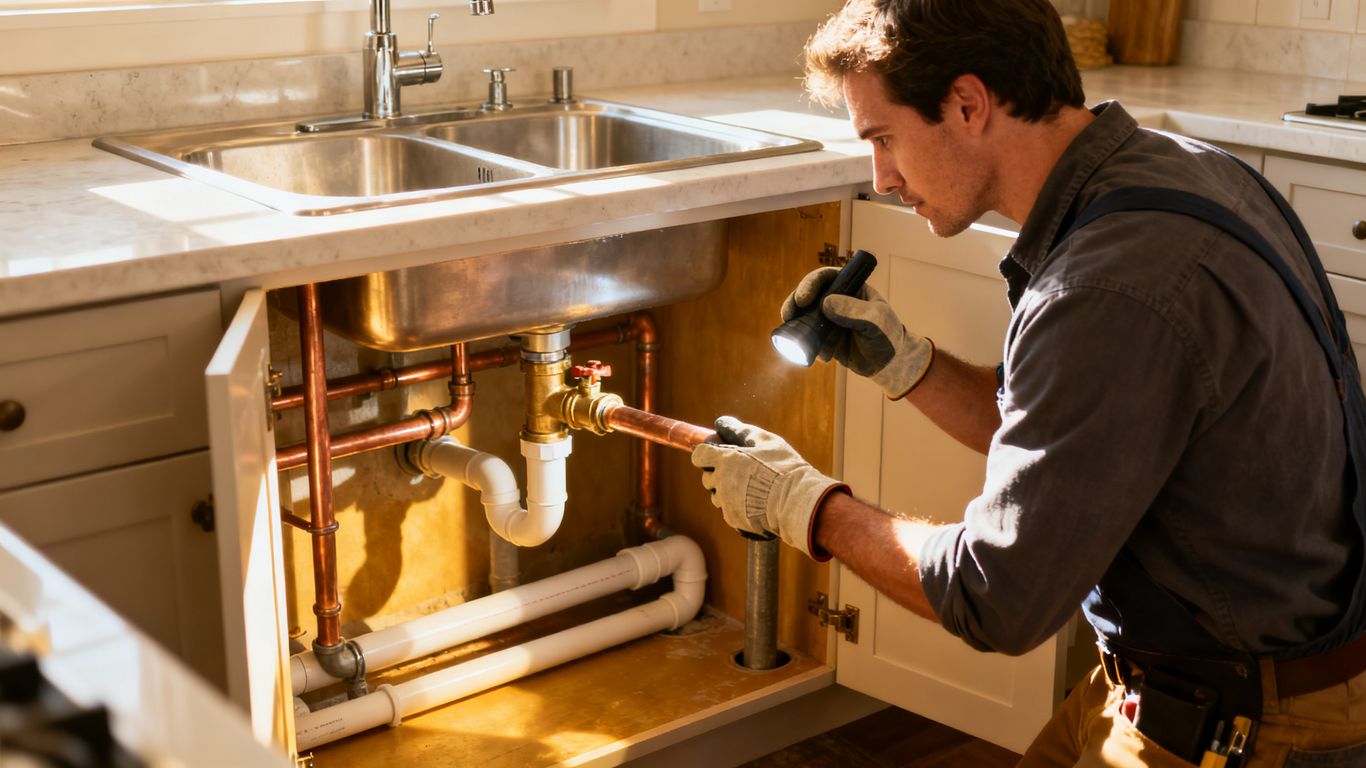
Common residential plumbing problems
Leaky faucets, running toilets, weak water pressure, and slow drains are familiar household troubles. Some are caused by worn fixtures or small blockages, while others point to damaged supply lines, mineral buildup, or a problem deeper in the system. Ask whether the proposed repair addresses the source of the symptom, not just the most visible part.
For a broader project, such as updating a bathroom, plumbing decisions should fit the renovation plan, waterproofing, and fixture layout. A practical bathroom remodel guide can help you think through those connected choices before a plumber begins work.
Drain cleaning and sewer line services
A single slow drain may respond to ordinary cleaning, but repeated backups deserve closer attention. A professional may need to inspect the line, identify roots or a damaged section, and determine whether cleaning, repair, or replacement is appropriate. Sewer odors, several affected fixtures, or wastewater returning through a low drain are reasons not to keep treating the symptom with store-bought chemicals.
Water heater repair and replacement
No hot water, leaking tanks, unusual noises, and discolored water can have different causes depending on whether the unit is electric or gas. Before work begins, a qualified plumber should explain the safety steps, likely repair, and whether the age and condition of the heater make replacement more sensible. This water heater repair guide is useful preparation for discussing symptoms and options.
Emergency plumbing situations
Some plumbing failures cannot wait for a convenient appointment. Shut off the nearest water valve when possible, keep people away from electrical hazards or contaminated water, and call for professional help when a burst pipe, major leak, flooding, or sewage backup threatens the property. Even if the water appears to slow, hidden damage may continue behind walls or beneath flooring.
Know when to call a professional plumber
A home does not always announce a plumbing failure with a dramatic burst pipe. Small changes in water use, odors, stains, or sound can be early clues. Calling sooner is often less disruptive than opening a wall after damage has spread. Use your observations to explain what changed and when it began.
Warning signs of hidden leaks
Peeling paint, swollen cabinets, damp smells, unexplained water bills, and warm or discolored patches on a floor can indicate water where it should not be. A leak may sit behind a wall, under a slab, or near a fixture that looks dry from the outside. Turn off fixtures one at a time and note whether the problem changes, but avoid cutting into surfaces to investigate without a plan.
When a clogged drain needs expert help
A plunger may be reasonable for a minor, isolated clog. Expert help is more appropriate when several drains slow together, the blockage returns quickly, water backs up into another fixture, or chemical cleaners have already been used. Those patterns can indicate a restriction farther along the branch or main line, where repeated surface treatment will not solve the cause.
Plumbing issues that can cause property damage
Water damage can spread through drywall, insulation, flooring, cabinetry, and structural materials before it becomes obvious. A failed washing-machine hose, broken supply line, overflowing water heater, or sewer backup should be handled with urgency. Early professional attention can limit the area affected, though the plumber should also tell you when a separate restoration specialist is needed.
DIY repairs that may create bigger problems
Simple fixture maintenance is not the same as opening a pressurized line or working near gas and electricity. Over-tightening fittings, mixing drain chemicals, using the wrong replacement part, or concealing a temporary patch can turn a manageable repair into a larger one. Stop and call a professional if you cannot identify the shutoff, the material, or the source of the leak.
Before the appointment, gather a few details that make the first conversation more useful:
- Which fixtures are affected.
- When the symptom started and whether it comes and goes.
- What valves, breakers, or appliances have already been shut off.
- Which cleaners, parts, or temporary repairs have been attempted.
That information gives the plumber a clearer starting point and helps avoid repeating an unsuccessful repair.
Evaluate a plumbing company’s qualifications
A polished website is not a substitute for verifiable qualifications. Look for evidence that the company can legally perform the work, protect your property, and explain its process clearly. Reviews can add context, but they should support—not replace—questions about insurance, experience, and written terms.
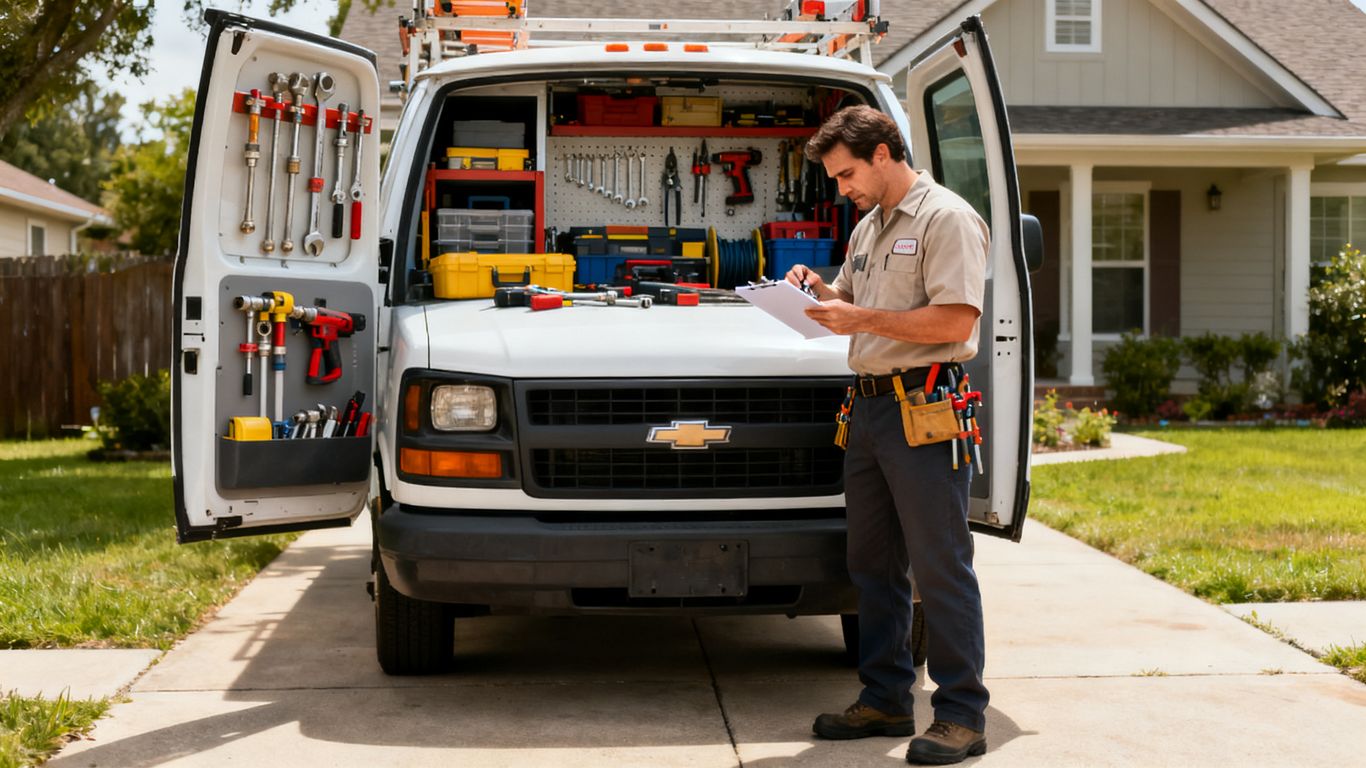
Licensing, insurance, and certifications
Ask for the plumber’s license information and confirm which entity holds it. You should also ask whether the company carries liability insurance and workers’ compensation coverage, particularly for work that involves access to walls, ceilings, crawl spaces, or excavation. Depending on the job, permits or specialized qualifications may also matter.
A contractor-selection roofing business guide offers a useful reminder that licensing, insurance, local reputation, and clear communication are worth checking across home-service decisions, even when the project itself is plumbing.
Experience with your type of property
A plumber who regularly works in newer construction may approach an older home differently from one with updated supply lines and modern fixtures. Tell candidates about the property’s age, prior renovations, recurring problems, and any unusual access limitations. For specialized work, ask for examples of similar systems rather than accepting a general promise of experience.
Local reputation and customer reviews
Read several recent reviews and look for patterns in punctuality, communication, cleanup, and how complaints were handled. A single glowing comment tells you little; repeated, specific observations are more useful. You can also request references for larger work and check whether the company’s contact details remain consistent across its public listings.
For comparison, Local Services Inc. describes residential plumbing work in St. George, including same-day repairs and 24/7 emergency response. If that is the company you are considering, verify the details directly and ask how they apply to your particular job.
Availability for routine and emergency work
Availability should match the consequence of the problem, not just the convenience of the booking calendar. Ask whether emergency calls are handled by the company’s own team, how response times are estimated, and what after-hours pricing means. For routine work, a realistic appointment window and a clear communication process may matter more than a vague promise of immediate service.
Compare plumbing service estimates
An estimate is most useful when it gives you a shared description of the work. Two prices may differ because one includes diagnosis, permits, restoration of finished surfaces, or a longer warranty. Ask questions before approving work, especially when the plumber has not yet opened the wall or exposed the line.
What a professional estimate should include
A written estimate should identify the diagnosed problem, proposed repair, materials, labor basis, expected timeline, payment terms, and what is excluded. It should also explain how hidden conditions will be handled if the initial scope changes. For replacement work, request the model or specification of the equipment so you can compare like with like.
Labor, materials, permits, and additional fees
Do not assume that the headline price includes every cost. Ask about diagnostic charges, disposal, access work, permits, inspection fees, emergency premiums, and repairs to drywall, tile, or cabinetry. If the work involves excavation or a sewer line, clarify whether surface restoration is included or assigned to another contractor.
Comparing flat-rate and hourly pricing
Flat-rate pricing can make the total easier to understand when the scope is well defined. Hourly pricing may be reasonable when diagnosis or access is uncertain, but you should know the rate, minimum charge, expected number of workers, and how materials are billed. The best comparison is not simply the lower number; it is the estimate with the clearest assumptions.
This simple comparison can help you spot missing details before choosing:
| Estimate detail | Why it matters | Question to ask |
|---|---|---|
| Scope of work | Shows what is actually being repaired | What problem does this address? |
| Materials or equipment | Allows a fair quality comparison | Which parts or model are included? |
| Labor and timing | Clarifies staffing and disruption | How many visits are expected? |
| Warranty and exclusions | Defines responsibility after completion | What is not covered? |
Read the rows together rather than focusing on one attractive total. A higher estimate may include a more complete repair, while a low one may leave important work or protections undefined.
Red flags in unusually low quotes
Be cautious when an estimate is offered without inspecting the problem, avoids written details, demands full payment upfront, or pressures you to decide immediately. A quote that omits permits, materials, or warranty terms may grow once work starts. Ask for a revised scope in writing instead of relying on a verbal assurance.
Choose the right plumbing services for your location
Location affects more than travel time. Local rules, weather, soil conditions, water quality, housing age, and the availability of replacement parts can all shape a plumbing job. Start with companies that clearly serve your area, then confirm the specific neighborhood and service type before scheduling.
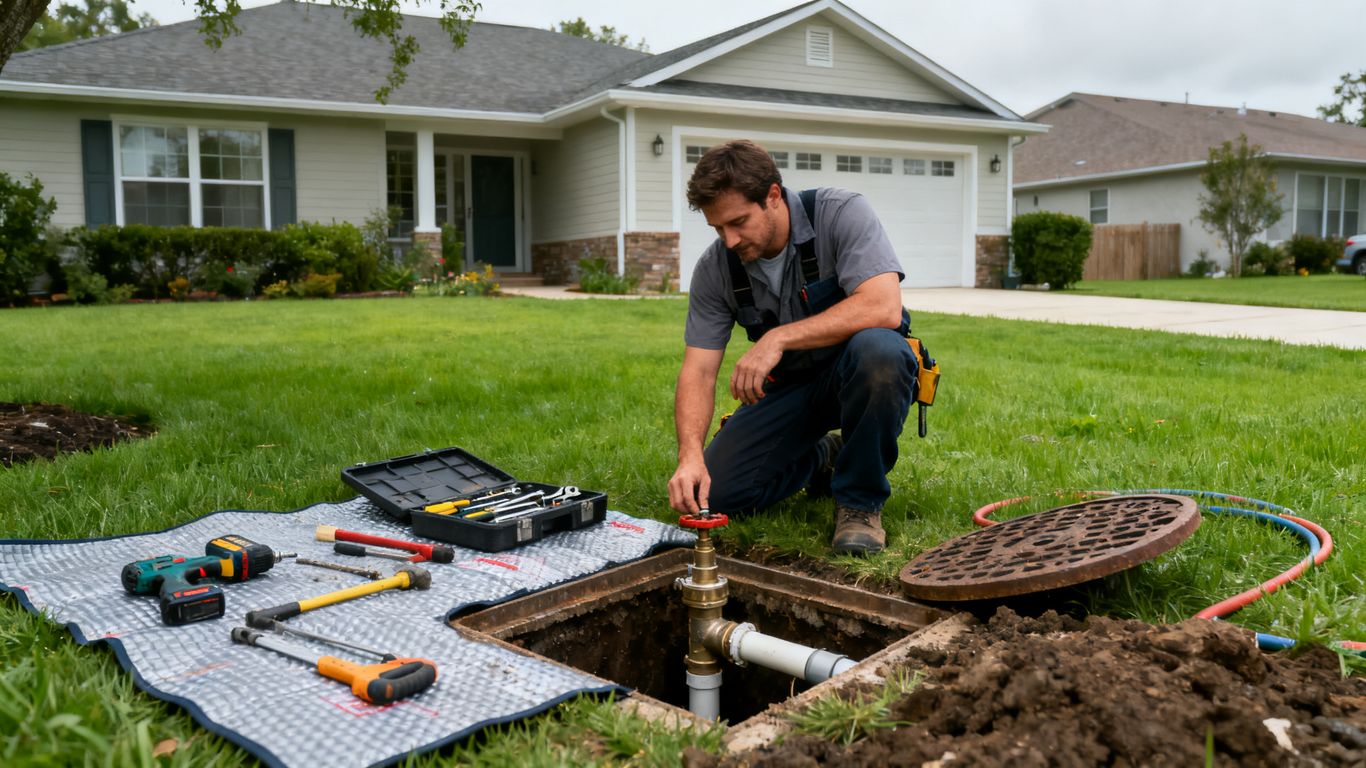
Searching for plumbers near you
Use location-specific searches, local directories, and recommendations from people who own similar homes. Read the service page closely, because a company may serve an area for routine repairs but send emergency or underground work to a different team. Local Services Inc. states that it serves St. George, Utah, with residential plumbing services; homeowners there can use that as a starting point for confirming fit.
Checking service areas and response times
Ask for the actual service boundary rather than assuming a nearby city is included. Confirm typical response times for routine visits and urgent calls, as well as whether travel fees apply. A regional service page can provide useful context about what companies advertise, but your direct conversation should establish the current terms.
Confirming local code knowledge
Plumbing work may require permits, inspections, approved materials, or specific methods for connecting to municipal systems. Ask who handles permits and whether the estimate includes them. A plumber familiar with local code can explain the process without promising that every job will follow the same path.
Selecting a company for older homes
Older homes may contain aging galvanized steel, cast iron, unusual connections, or multiple layers of past repairs. Tell the plumber what you know about the property and ask how they will protect finishes while reaching the problem. If you are also evaluating a contractor for another renovation, this home contractor checklist can help you compare track record, insurance, scheduling, and communication.
When a plumbing issue follows an accident or another complicated event, a separate specialist selection guide may help with questions about professional credentials and communication. It is not a plumbing guide, but the evaluation principles can still be useful.
Prepare for a successful plumbing appointment
Good preparation does not require technical knowledge. It means making the problem accessible, documenting what you have noticed, and agreeing on the scope before tools come out. A few minutes of organization can reduce delays and make the final invoice easier to understand.
Documents and information to gather
Collect recent invoices, warranty paperwork, appliance manuals, inspection reports, and records of earlier repairs if you have them. Take clear photos of visible damage and note when symptoms occur. Include the home’s age, recent remodeling, water shutoff location, and any concern about access or pets.
Questions to ask before work begins
Ask what the plumber believes is wrong, what will be done first, and what could change the price. Confirm the expected duration, cleanup plan, payment schedule, permit responsibility, and warranty terms. If you need a company that covers St. George, Local Services Inc. lists leak detection, pipe repair, hydro jetting, gas line work, and water softener installation among its services; confirm that the requested service is available for your address.
For homeowners comparing emergency options in unfamiliar cities, emergency service guidance can illustrate the kinds of questions to ask about round-the-clock response, estimates, and drain work without replacing a direct quote from a local provider.
How to protect your home during repairs
Clear the work area, move fragile items, protect pathways, and identify surfaces that need special care. Ask whether the team will use floor protection and how it will contain dust or standing water. If water must be shut off, plan around cooking, bathing, and other needs, particularly when several people live in the home.
A prepared work area helps the plumber move efficiently, but it also gives you a chance to notice whether the crew is treating the home carefully. Keep the agreed scope nearby so questions can be resolved while the work is still visible.
Reviewing the completed work and warranty terms
Before final payment, inspect the repaired area, run the relevant fixtures, and look for leaks or unusual sounds. Ask what maintenance is recommended and request copies of permits, receipts, removed-equipment details, and warranty documents. Make sure you understand whether the warranty covers labor, parts, or only a specific repair.
Get Help With Your Plumbing Needs
If you need to arrange plumbing work in Peoria or surrounding areas, contact Novy Plumbing through its service page and describe the issue, location, and preferred timing. A clear first message can help the team direct your request and prepare for the appointment.
Conclusion
The right plumber is not always the one with the quickest quote or the most polished advertisement; it is the professional who understands the problem, communicates the scope, meets local requirements, and stands behind clearly defined work.
Frequently Asked Questions
How do I know which plumbing service I need?
Describe the symptoms, affected fixtures, timing, and any previous repairs. A professional can then determine whether the issue involves a fixture, drain, supply line, sewer line, or water heater.
When should I call a plumber for a leak?
Call promptly for unexplained moisture, stains, rising water bills, persistent damp smells, or any leak near electricity. Shut off water when safe and limit further use until the source is assessed.
Is a slow drain an emergency?
One mildly slow drain may not be urgent, but repeated clogs, multiple affected fixtures, sewage odors, or wastewater backup need professional attention. Stop using affected fixtures if overflow is possible.
What should a plumbing estimate include?
It should describe the problem, proposed work, materials, labor basis, timing, payment terms, exclusions, and warranty. It should also explain how unexpected conditions or added work will be priced.
How can I check whether a plumber is qualified?
Verify licensing and insurance, ask about relevant experience, review recent customer feedback, and request references for larger jobs. Confirm who handles permits when they are required.
Should I choose flat-rate or hourly plumbing pricing?
Either can be appropriate. Flat-rate pricing is easier to compare when the scope is known, while hourly pricing can fit uncertain diagnosis work. In both cases, confirm rates, minimum charges, materials, and possible additional fees.
What should I do before the plumber arrives?
Clear access to the affected area, gather repair records and photos, locate shutoff valves, secure pets, and write down your questions. Avoid making additional repairs that could hide the original problem.