
Key Takeaways
Understanding the fundamentals of water systems is crucial for maintaining a healthy and functional home environment. Plumbing effectively manages the flow of water and waste to protect occupants and property.
- Potable water supply, drainage, and fixture integration form the core of residential systems.
- Proper piping selection and jointing methods are essential for long-term system durability and leak prevention.
- Gravity-based drainage and air venting represent the mechanical backbone of waste removal.
- Regular maintenance helps differentiate between minor DIY fixes and professional repairs to prevent major failures.
- Regulatory standards ensure that all installations meet public health and safety criteria for residential structures.
The scope of modern plumbing
Modern plumbing encompasses the complex network of supply lines, drainage pipes, and fixtures that keep a building safe and sanitary. It is through these systems that clean water arrives for daily use while wastewater is safely carried away, keeping the environment controlled and hygienic. Seeing plumbing defined as a sophisticated integration of mechanical utility allows homeowners to appreciate its role in household stability.
Residential versus commercial systems
Residential systems typically feature smaller diameter piping designed for lower-demand usage compared to heavy-duty commercial setups. While a single-family house might rely on simple gravity-based flow, commercial properties often require industrial-grade materials to manage high turnover and massive volume. At Novy Plumbing, professionals navigate these distinct architectural needs by tailoring their approach to either high-traffic business environments or private, domestic plumbing networks.
Core components of water supply
Everything begins with the main service line that delivers potable water, often filtered through municipal or private sources. This supply then splits into distribution branches that serve every faucet and appliance, ensuring that pressure and volume remain consistent throughout a home. A well-designed water supply system functions similarly to a Simple Hawaii Wedding in its requirement for precise coordination: every component, from valves to faucets, must perform its role in harmony to prevent unnecessary disruption.
The necessity of proper sanitation infrastructure
Without a functioning sewer or septic system, the health of an entire community is placed at risk. Sanitation infrastructure carries away greywater and blackwater, preventing backflow and the buildup of harmful gases within living spaces. Understanding essential plumbing terms helps property owners identify failures in these critical sanitation routes before they cause interior contamination.
Regulatory bodies and safety standards
National and local codes establish the baseline for installation safety, dictating everything from pipe slope to backflow prevention. These regulations ensure that water systems remain isolated from contamination and that venting permits gases to escape the property. Whether exploring the vibrant lifestyle of a new property or maintaining an existing home, adhering to these standards keeps residents safe and properties compliant with legal health ordinances.
Essential components of a plumbing system
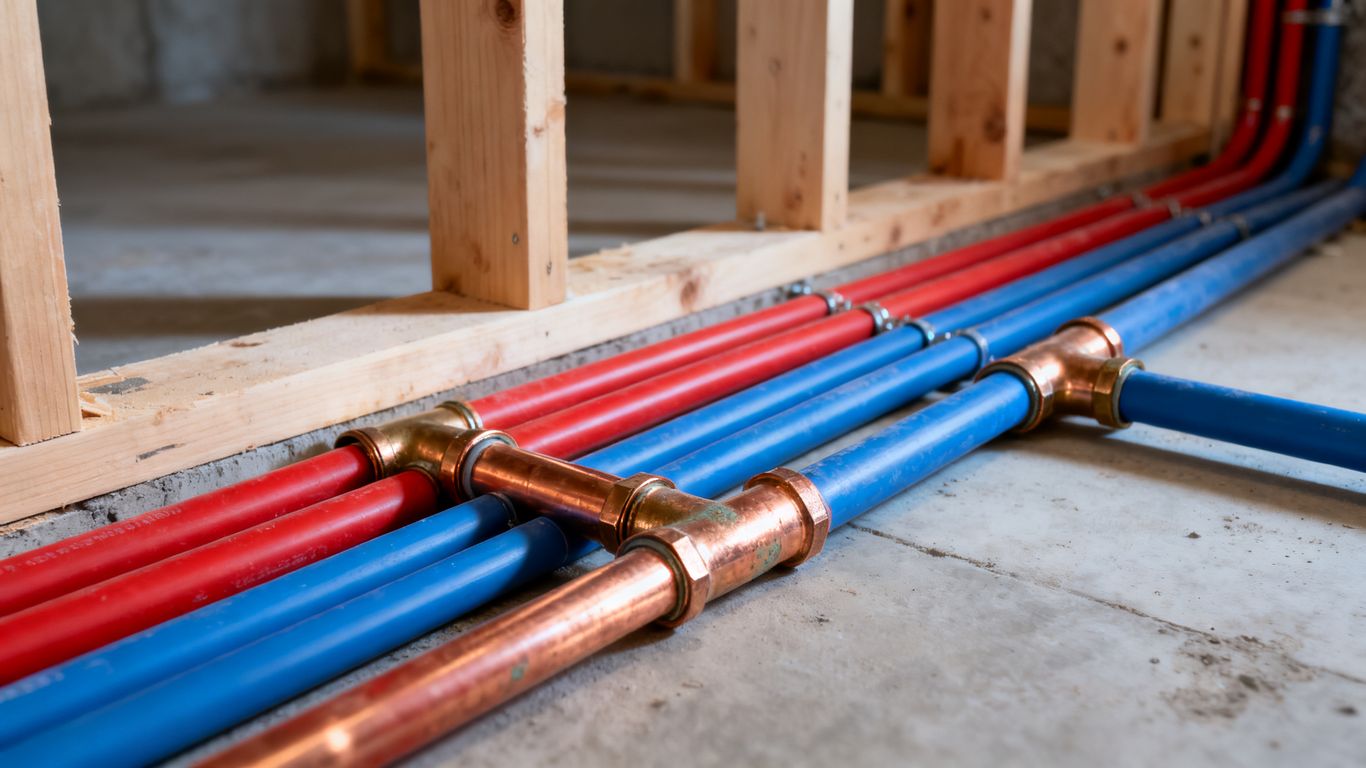
Selecting the right parts for a plumbing system ensures the longevity of the entire network. High-quality fixtures and durable piping are the first line of defense against future leaks and costly emergency repairs.
Piping materials and their applications
Choosing the correct piping material depends on its intended use, such as hot water transport or cold main distribution. Common options include copper, PEX, and PVC, each offering unique thermal and structural properties.
| Pipe Material | Common Application | Durability |
|---|---|---|
| Copper | Potable Supply | High |
| PEX | Interior Distribution | Flexible |
| PVC | Drainage Systems | Corrosion-resistant |
These materials must be selected based on local pressure levels and temperature fluctuations to ensure long-term integrity and reliability.
Valves and flow control devices
Valves allow homeowners to isolate water flow to specific appliances or rooms, which is critical during emergencies. By using Definition Heating, Cooling & Plumbing services for routine inspections, residents ensure these devices are accessible and functional. Proper flow management protects against water hammer and abrupt surges within the grid.
Fitting systems and jointing methods
Joints represent the most vulnerable points in any pipe network because they are where stress usually collects. Whether using solder, crimps, or threaded fittings, technicians must ensure an airtight bond to prevent slow, destructive seepage. Just as choosing your future piscine Ibiza requires planning the drainage integration, plumbing connections demand careful attention to avoid structural damage over time.
Fixtures and appliances integration
Connecting a sink, shower, or dishwasher requires verified installation techniques that include proper shut-off valves and leak-proof seals. High-efficiency fixtures reduce total water usage, contributing to a greener household footprint. Proper integration ensures that every output point functions exactly as intended by the manufacturer.
The anatomy of water distribution
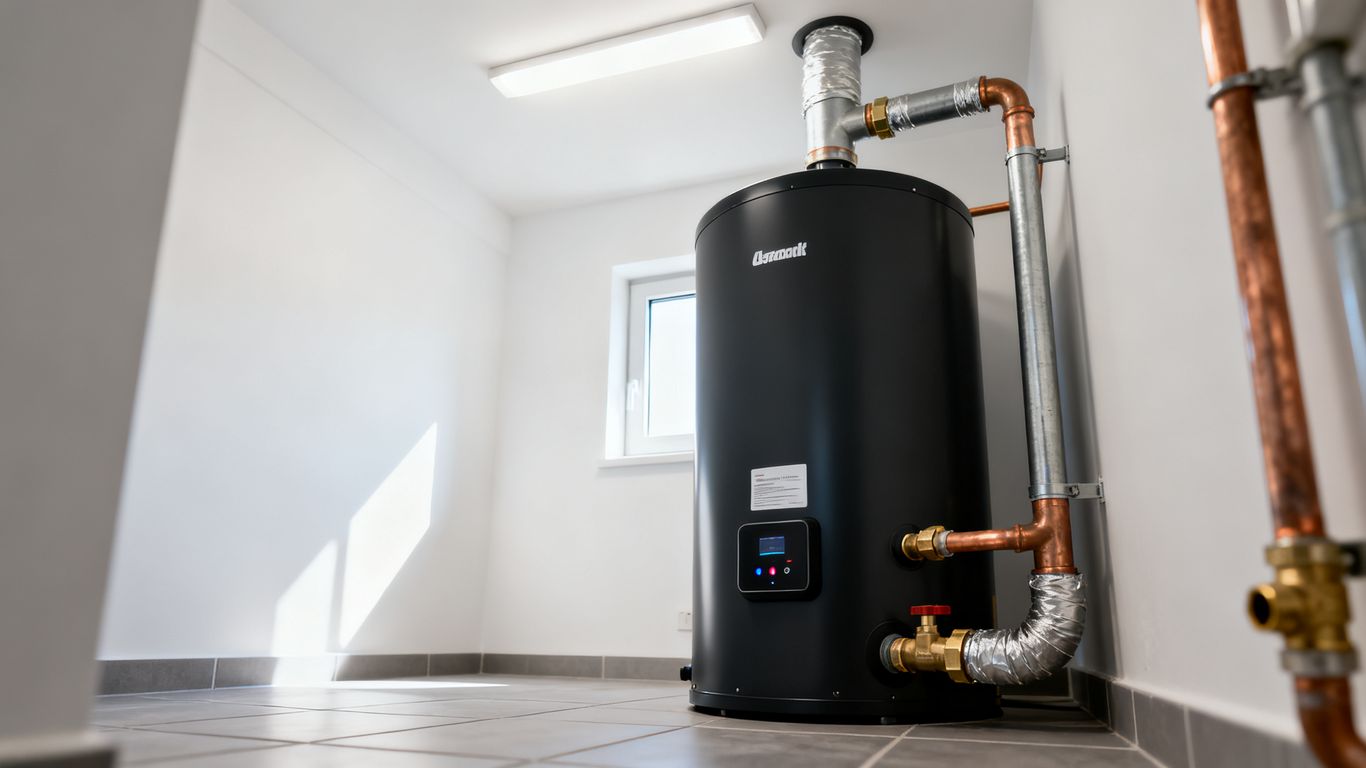
Efficient flow is the hallmark of a healthy water distribution layout, balancing internal pressure to reach all floors evenly. Without careful planning, fluctuations in pressure can lead to uneven service or damage to fixtures.
Understanding static and dynamic water pressure
Static pressure exists when no water is moving, while dynamic pressure identifies the active load when multiple outlets are open. Maintaining balance in both states is fundamental for preventing stress on older pipes and fittings. Exploring different properties helps users grasp why pressure regulators might be necessary for certain households.
The role of water heaters and storage tanks
Water heaters provide the necessary thermal energy for domestic activities, often relying on insulated tanks to maintain consistent supply. These units serve as a major central node, connecting the cold supply to the heated delivery loop. Regular sediment flushing is key here, as mineral buildup can degrade performance over time.
Main lines and branch distributions
Main lines act as the primary highway for water entering the residence, while branches distribute it to individual sinks or baths. This hierarchical setup allows for easier repairs, as technicians can cut off flow to individual branches without shutting down the main source. Monitoring these lines prevents the loss of thousands of gallons through undetected main-line fractures.
Backflow prevention and safety technology
Backflow devices prevent contaminated water from being drawn back into the main supply line. This technology is a standard requirement in modern systems, shielding public infrastructure from residential impurities. It remains a core plumbing definition principle that the supply must always move in a single, safe direction.
Drainage, waste, and venting systems
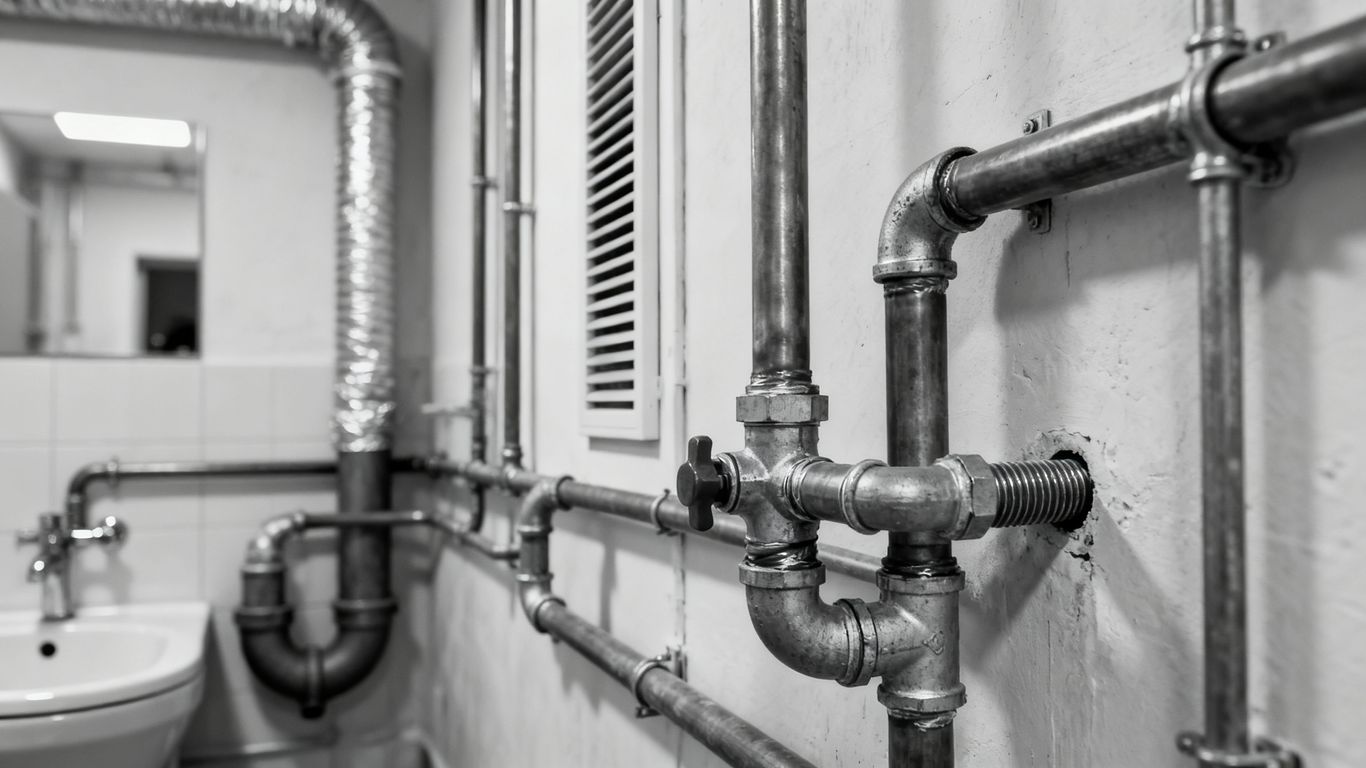
Effective gravity-based systems are the unsung heroes that move waste downward and away from the home. At Novy Plumbing, technicians verify that these lines maintain the proper slope, ensuring that solids move freely without creating blockages.
Principles of gravity-based drainage
Gravity drainage relies on the downward pitch of pipes to transport wastewater to the main sewer line. If the slope is too flat, water moves too slowly; if it is too steep, water flows away from solids, leaving them behind. It is a precise physical science that ensures sanitary conditions remain constant.
The crucial function of vent stacks
Vent stacks allow air into the pipes, equalizing pressure so that gravity can push waste along efficiently. Without venting, the drainage system would create vacuums that pull liquid out of our traps, exposing the interior to sewer gas. Properly maintained vents are essential for a silent and efficient system.
Traps, seals, and sewer gas mitigation
Traps contain a small pool of stagnant water that acts as a physical barrier against hazardous fumes. When these seals dry out due to infrequent use, homeowners notice a foul smell; refilling the trap usually solves the problem. These simple components are vital for maintaining interior air quality.
Direct versus indirect waste connections
Direct connections link fixtures to the sewer, whereas indirect connections involve an air gap, preventing cross-contamination from the sink or laundry. This separation is a crucial safety standard that separates dirty wastewater from potable paths. Understanding the difference helps homeowners identify where mistakes might occur during minor renovations.
Identifying and troubleshooting common plumbing issues
When systems show signs of wear, immediate detection is essential to prevent extensive property damage. Early diagnosis often involves listening for strange noises or noticing small puddles; at Novy Plumbing, experts look for these markers to mitigate risk.
Indicators of leaks and pressure loss
Sudden pressure drops often indicate a hidden leak or a failing regulator valve. Monitoring the water meter is a standard way to check for ongoing, unseen usage. Even a subtle decrease in pressure at high-demand fixtures may signal scale accumulation that requires professional attention.
Identifying clogs and backup sources
Clogs are usually caused by foreign materials being washed down drains over long periods. To maintain flow, follow these preventive steps:
- Never dispose of grease, oil, or fat in the kitchen sink.
- Use drain screens to catch hair in bathroom showers.
- Avoid using harsh chemical cleaners that may damage pipes.
- Periodically flush drains with hot water and baking soda solutions.
Following these simple routines will help keep your drainage system clear and operational.
Differentiating between DIY fixes and professional repairs
Small tasks, such as replacing a washer or tightening a loose connection, are manageable for many residents. However, complex failures like preventing commercial plumbing emergencies require technical knowledge and specialized tools. Overreaching on a DIY project can turn a simple annoyance into a catastrophic flood.
Preventive maintenance schedules for homeowners
Building a regular maintenance calendar is the best defense against aging components. If you are learning the plumbing career, you will quickly find that consistent scheduling is what separates standard residences from those with long-term reliability. Annual checkups should cover everything from valve testing to heater inspections, ensuring peace of mind.
Conclusion
Mastering the basics of residential systems empowers homeowners to better protect their property while recognizing when an issue requires a professional touch. By maintaining consistent pressure, ensuring clear drainage, and respecting the essential regulations that govern these systems, you ensure a reliable environment for your household. Focus on proactive care to save time and resources in the coming years.
Frequently Asked Questions
What causes water hammer in pipes?
Water hammer occurs when a valve shuts rapidly, causing a shockwave of pressure to travel through the piping system. Installing air chambers or pressure-reducing valves is the effective solution to absorb this energy and stabilize the flow.
How often should I check for leaks?
It is recommended to monitor your plumbing fixtures and water meter monthly for any unexplained spikes in consumption. A quick check of exposed pipes and under-sink connections twice a year helps to catch potential issues early before they escalate.
Can I use chemical drain cleaners safely?
Most chemical cleaners are harsh and can corrode pipe materials or weaken delicate joints over time. It is generally safer to use a mechanical snake or plunger to clear minor clogs rather than relying on abrasive agents.
What is a backflow preventer?
A backflow preventer is a safety device that prevents wastewater or non-potable liquids from being drawn back into the main clean water supply. It ensures that the system is one-way only, which is vital for protecting public health.
Why does my water heater make rumbling noises?
Rumbling noises are often caused by mineral deposits or sediment buildup at the bottom of the tank that trap water bubbles. Regularly flushing the tank can help reduce this sediment and improve the efficiency of your heating unit.
Is PEX piping better than copper?
PEX piping is flexible and easier for DIY installation compared to rigid copper, which requires specialized soldering skills. While both are effective, PEX is less susceptible to freezing bursts and mineral buildup in certain environments, making it a popular modern choice.
When should I call a plumber?
You should reach out for professional help if you notice persistent leaks, major backups, or if you are planning to renovate or install significant new fixtures. An expert can ensure that complex changes align with local code requirements to keep your system safe long-term.