
That rattling sound under your car? Or maybe a sudden puff of smoke? It could be your exhaust system telling you it’s had enough. A car exhaust pipe replacement might sound like a big job, but honestly, it’s something many folks can tackle themselves with a little know-how. We’ll walk you through what to look for, what you’ll need, and how to get that old pipe off and a new one on. It’s not as scary as it sounds, and you’ll save some cash doing it yourself. Let’s get started on figuring out when and how to do your car exhaust pipe replacement.
Key Takeaways
- Look for signs like loud noises, rust, or hanging parts to know if your exhaust system needs attention for a car exhaust pipe replacement.
- Gather basic tools like wrenches and jacks, plus rust-busting sprays or cutting tools if parts are stuck, before starting your car exhaust pipe replacement.
- Safely lift your car with jack stands, then remove the old exhaust section by unbolting or cutting it off, paying attention to rusty bolts.
- Install the new exhaust pipe, using compression fittings if possible, and make sure it aligns correctly without touching other parts of the car.
- Check clearances, adjust hangers, and properly tighten all connections, especially flanged ones with gaskets, to finish your car exhaust pipe replacement.
Recognizing Exhaust System Deterioration
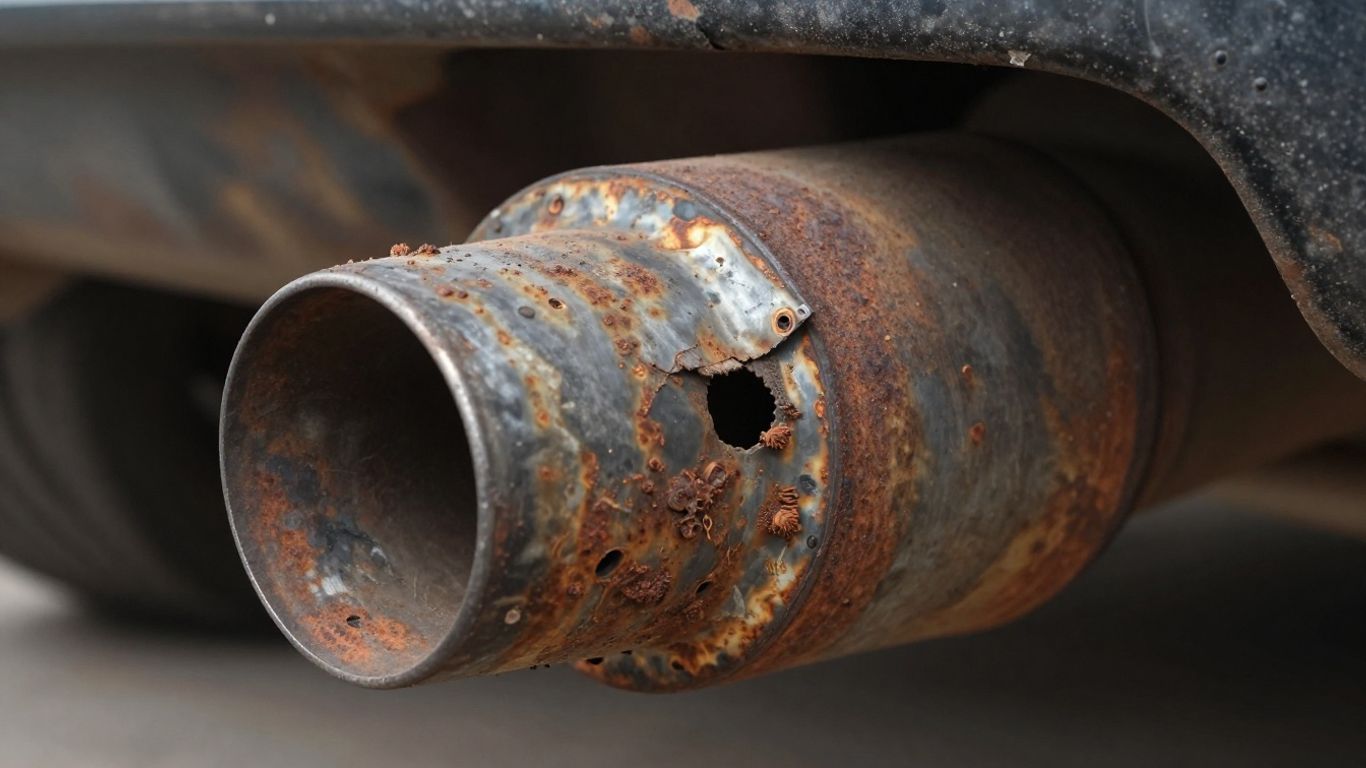
Your car’s exhaust system is like its lungs, quietly working to get rid of waste gases. Over time, though, these parts can wear out. Ignoring signs of trouble can lead to bigger problems, not to mention a noisy ride and potentially harmful fumes getting into your car’s cabin. Paying attention to these signals can save you a lot of headaches and money down the road.
Signs of a Failing Exhaust System
So, how do you know if your exhaust system is starting to give up the ghost? Usually, it’s not subtle. You might hear things you didn’t hear before, or even smell something off. Here are some common indicators:
- Loud Noises: A sudden increase in rumbling, rattling, or even hissing sounds coming from under your car is a big clue. This often means there’s a hole or a loose part somewhere in the system.
- Exhaust Smell: If you start smelling exhaust fumes inside your car, that’s a serious safety issue. It means gases are leaking into the passenger compartment, which can be dangerous. This is a clear sign that something is wrong with your exhaust system.
- Reduced Performance: You might notice your car feels sluggish, hesitates during acceleration, or just doesn’t have the same get-up-and-go. This can happen if the exhaust is blocked or leaking, affecting how the engine breathes.
- Visible Rust or Damage: Take a peek underneath your car when it’s safe to do so. Look for obvious rust spots, holes, or parts that look like they’re hanging loose. Road debris or even just years of exposure can cause damage.
- Vibrations: Feeling unusual vibrations, especially when you accelerate, can also point to an exhaust issue, like a broken hanger or a loose component.
Understanding Exhaust System Materials
Exhaust systems are typically made from a few different types of metal, and each has its own lifespan and susceptibility to wear. Knowing what your system is made of can give you an idea of its expected life.
| Material | Pros | Cons |
|---|---|---|
| Mild Steel | Strong, inexpensive | Rusts very easily, especially in wet or salty conditions. |
| Aluminized Steel | Better rust resistance than mild steel | Coating can be damaged, exposing steel to rust; welds are vulnerable. |
| Stainless Steel | Excellent rust and corrosion resistance | More expensive upfront. |
Most factory exhaust systems today are made from stainless steel, which is great for longevity. However, even stainless steel isn’t invincible, especially if you live in an area with harsh winters and road salt. Short trips where the exhaust doesn’t get fully heated can also lead to moisture buildup and internal rust.
The Lifespan of Factory Exhaust Systems
How long should you expect your original exhaust system to last? It really depends on a few things, like the material it’s made from, your driving habits, and the climate you live in. Generally, a good factory exhaust system, especially one made of stainless steel, should give you at least five years of service. In drier climates and with more highway driving, you might get even longer. However, if you frequently drive short distances, especially in salty conditions, you might see signs of wear much sooner. It’s always a good idea to give your exhaust system a quick look-over periodically to catch any issues early. If you’re noticing any of the signs mentioned above, it might be time to consider getting your exhaust checked.
When inspecting your exhaust, look for any loose parts, cracks in the pipes or muffler, or excessive rust. Don’t forget to check the hangers and clamps, as these can also fail over time and cause other parts to sag or break.
Preparing for Your Car Exhaust Pipe Replacement
Alright, so you’ve decided to tackle that exhaust pipe replacement yourself. That’s awesome! But before you dive headfirst into wrestling with rusty metal, a little preparation goes a long way. Think of it like packing for a trip – you wouldn’t just grab your toothbrush and hope for the best, right? Same idea here. Getting the right stuff together beforehand means less frustration and a much smoother job.
Essential Tools for Exhaust Work
First off, let’s talk tools. You’ll need the basics, of course. A good socket set, wrenches, and maybe a torque wrench if you want to be precise. But for exhaust work, some things are just plain handy:
- Penetrating oil: This stuff is your best friend when dealing with seized bolts. Spray it on liberally and let it soak in. Seriously, don’t skip this.
- Jack and jack stands: Safety first! You absolutely need to get the car up safely and securely. Never, ever work under a car supported only by a jack.
- Safety glasses and gloves: Exhaust parts can be dirty and sharp. Protect yourself.
- A sturdy pry bar: Sometimes you just need a little persuasion to get things lined up or separated.
Specialty Tools for Stubborn Parts
Now, sometimes exhaust bolts are just plain stubborn. Rust and time can really weld them together. If you run into this, you might need a few more specialized items. These aren’t always everyday tools, but they can save you a massive headache:
- Breaker bar: This gives you more leverage than a standard ratchet, making it easier to break loose tight bolts.
- Reciprocating saw or angle grinder: For those bolts that just won’t budge, cutting them off might be your only option. Be careful with these tools!
- Exhaust hanger pliers: These little gadgets make it way easier to pop the rubber hangers off their brackets without a fight.
Remember, exhaust systems are exposed to a lot of heat and moisture. This means rust is a common enemy. Be prepared for parts that might be difficult to remove. Having a plan B, like cutting a bolt off, is always a good idea.
Considering Other Exhaust Components
While you’re down there replacing that pipe, it’s a smart move to check out the surrounding parts. It’s way easier to replace a worn-out hanger or a cracked gasket now than to have to take everything apart again in a few months. Think about:
- Exhaust hangers and rubber isolators: These hold the system up. If they look cracked or stretched, they probably need replacing. You can find new exhaust hangers pretty easily.
- Clamps and bolts: Are they rusty? Are the threads looking chewed up? It’s often best to replace them with new ones.
- Gaskets: If you’re disconnecting sections, you’ll likely need new gaskets to seal them properly. Don’t reuse old ones.
Taking a few minutes to inspect these other bits can save you time and hassle down the road. It’s all part of getting the job done right and keeping your exhaust system in good shape. A good maintenance checklist can help you remember all the little things.
The Process of Replacing Your Exhaust Pipe
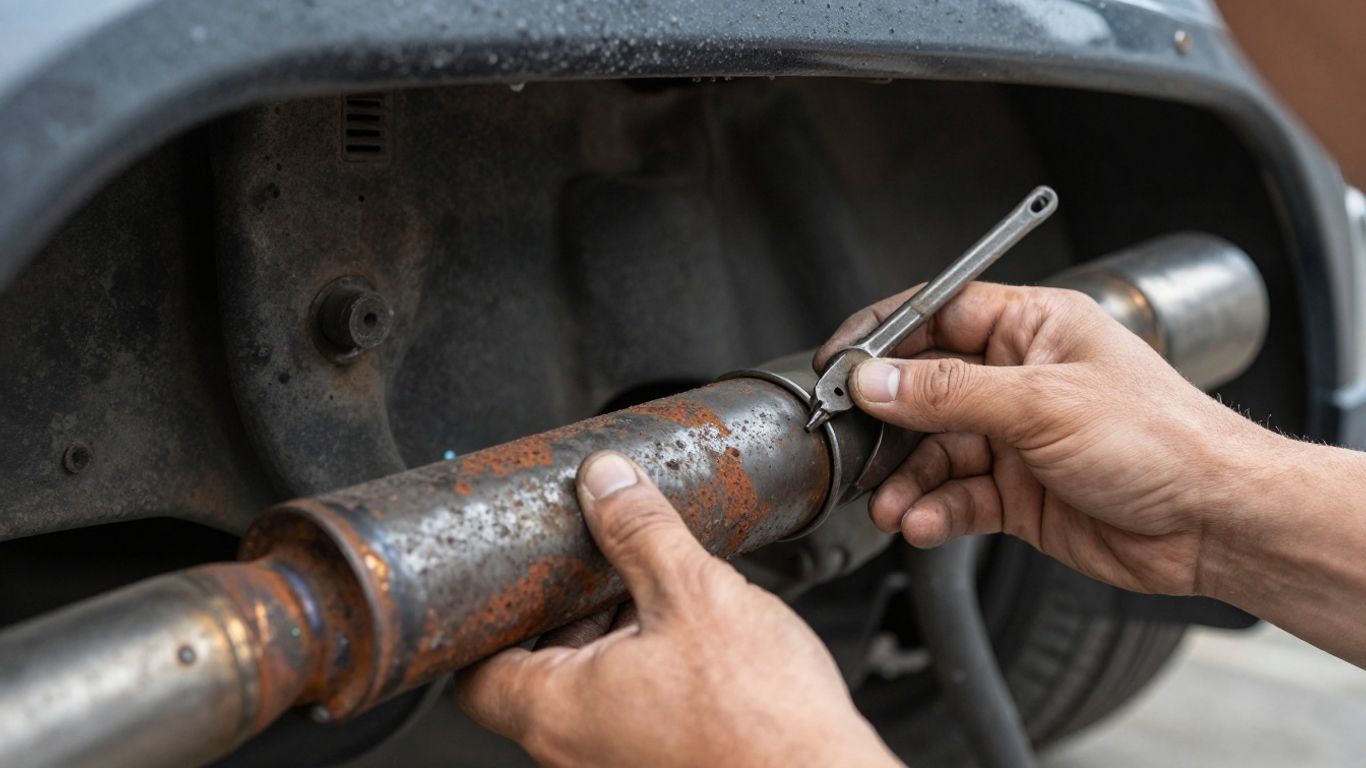
Alright, so you’ve decided to tackle replacing that old exhaust pipe yourself. It’s definitely doable, but it does require a bit of patience and the right approach. First things first, safety is key. You’ll need to get the vehicle up in the air to give yourself enough room to work underneath. Safely lifting and supporting your vehicle is the most important first step. Use sturdy jack stands on a level surface – never rely on just the jack. Once it’s secure, you can start thinking about getting the old system out.
Safely Lifting and Supporting Your Vehicle
Getting your car high enough to comfortably work underneath is critical. You’ll want to use a good quality floor jack to lift the vehicle, and then immediately place robust jack stands under the frame or designated support points. Make sure the car is stable before you even think about crawling under it. A little extra height can make a world of difference when you’re maneuvering parts around.
Removing the Old Exhaust System
This is often the trickiest part, especially if your car is older or lives in a salty climate. Rust can really seize things up. You’ll typically start by unbolting the exhaust from the manifold or catalytic converter and working your way back. Sometimes, you might need to cut through stubborn pipes or brackets if bolts just won’t budge. Penetrating oil is your best friend here; spray it on bolts and connections and let it soak in. If you’re having a really tough time, a reciprocating saw can be a lifesaver, though it means you definitely won’t be reusing the old parts. Remember to carefully lower the old system, as it can be heavy and awkward. Removing an exhaust system can be a bit of a puzzle, so take your time.
Fitting and Securing the New Exhaust Pipe
With the old system out of the way, it’s time for the new one. Often, aftermarket kits come with compression fittings, meaning you won’t need to weld anything, which is great if you’re not set up for it. Use the old pipe as a rough guide for positioning. You’ll want to loosely attach the new pipe, hangers, and clamps first. This allows you to make adjustments to get everything aligned just right before you tighten it all down. Don’t overtighten anything initially; you need a little wiggle room to make sure it fits perfectly and doesn’t rub against anything it shouldn’t. Once you’re happy with the fit, you can start tightening all the bolts and clamps. Installing a straight pipe exhaust involves similar steps for securing the vehicle and removing the old system.
When you’re fitting the new exhaust, remember that metal expands when it gets hot. You need to make sure there’s enough clearance between the exhaust pipes and any other parts of the car, especially plastic or rubber components, so nothing melts or gets damaged during normal operation.
Here’s a quick rundown of what you might encounter:
- Stubborn Bolts: Have penetrating oil and possibly a breaker bar ready.
- Awkward Angles: You might need extensions for your sockets or a universal joint.
- Alignment Issues: Don’t force it; loosen things up and readjust.
- Hanger Problems: Rubber hangers can be tough to get on and off; exhaust hanger pliers can help.
Don’t forget to check other exhaust components while you’re down there. Things like hangers, clamps, and gaskets can often be replaced at the same time, saving you future headaches.
Ensuring Proper Exhaust System Installation
Alright, so you’ve got your shiny new exhaust pipe ready to go. That’s great! But just slapping it on isn’t the whole story. Getting it installed right is super important, not just for performance, but for safety too. Mess this up, and you could end up with exhaust fumes creeping into your car’s cabin, which is definitely not good.
Importance of Clearances and Alignment
When you’re putting the new exhaust on, you’ve got to pay attention to how it sits. Think of it like fitting puzzle pieces – everything needs to line up just right. You want to make sure there’s enough space between the exhaust pipes and other parts of your car, especially anything plastic or rubber that could melt. For metal-to-metal contact points, aim for about a quarter to half an inch of wiggle room. This space lets the exhaust system move a bit as the engine and drivetrain shift, and also accounts for the fact that metal expands when it gets hot. For parts that can’t handle heat, give them a good two to three inches of clearance. Getting these clearances right prevents rattles, damage, and potential fire hazards.
Proper alignment also means the tailpipe should exit the vehicle where it’s supposed to, well away from the body. If it’s tucked in too close or pointing the wrong way, exhaust gases can get sucked back into the car, especially when you’re driving.
Adjusting and Inspecting Exhaust Hangers
Exhaust hangers are those bits that hold the whole system up. They usually have metal rods and rubber isolators. Over time, these rubber parts can get worn out or stretched, and they might not be holding the weight evenly anymore. It’s a good idea to check them out and maybe even replace them while you’re doing the exhaust pipe. Sometimes, the metal rods themselves can get bent during shipping or just from age. You might need to gently bend them back into place to get the right alignment and make sure the exhaust isn’t touching anything it shouldn’t. When the exhaust is cold, check that all the hangers look like they’re holding the weight evenly and are angled slightly forward. As the system heats up and expands, they should end up hanging straight up and down. If you’re replacing a major part or the whole system, consider replacing all the exhaust hangers and insulators to make sure the load is distributed properly.
Properly Tightening Flanged Connections
If your new exhaust pipe connects using flanges, you’ll likely have gaskets and bolts. Tightening these bolts is a bit of an art. You don’t want to just crank them down unevenly. Torque them down gradually and evenly, alternating between bolts. If you overtighten one side or don’t tighten them equally, you can crush the gasket prematurely, leading to leaks. Always double-check that all the bolts and brackets are accounted for, especially on components mounted close to the engine. A loose bracket here can cause vibrations that damage other parts. It’s often best to loosely fit everything first, make sure the whole system is aligned and has proper clearances, and then go back and tighten all the connections securely. This approach helps prevent stress on the system and makes sure everything fits as it should.
Understanding Exhaust System Components
So, your exhaust system is more than just a few pipes hanging under your car. It’s actually a pretty complex setup designed to get rid of nasty engine fumes safely. Think of your engine as a big air pump. It takes air in, burns fuel, and then needs to push all that used air out. That’s where the exhaust system comes in. It’s got several key players working together.
The Role of Catalytic Converters
This is a big one. The catalytic converter is basically a gizmo that cleans up the exhaust gases before they go out into the air. It uses special metals like platinum and palladium to turn harmful stuff like carbon monoxide and nitrogen oxides into less harmful gases. It’s a critical part of keeping our air cleaner and is required by law in most places. If yours is clogged or broken, your car won’t run right, and you’ll likely fail an emissions test. You can find more info on how catalytic converters work.
Gaskets, Clamps, and Mounting Hardware
These are the unsung heroes. You’ve got gaskets that create a seal between different parts, like where the exhaust pipe connects to the manifold. Without a good gasket, you’ll get leaks, and that means noise and lost performance. Then there are clamps and bolts that hold everything together. Over time, these can rust and break, leading to a sagging or rattling exhaust. When you’re replacing a pipe, it’s often a good idea to swap out old gaskets and clamps too, just to be safe.
Exhaust Manifolds and Their Gaskets
The exhaust manifold is usually the first part of the exhaust system, bolted directly to the engine’s cylinder head. Its job is to collect the exhaust gases from each cylinder and funnel them into a single pipe. They can be made of cast iron or stainless steel. Sometimes, the manifold itself can crack, or more commonly, the gasket between the manifold and the engine can fail. A cracked manifold or a blown gasket here will cause a loud ticking or puffing noise, especially when the engine is cold, and can affect engine performance. It’s a good idea to inspect the exhaust manifold and its gasket when you’re doing other exhaust work.
When working on your exhaust, remember that rust is your enemy. Old bolts and clamps can be incredibly stubborn. Having penetrating oil and maybe even a cutting tool like a reciprocating saw on hand can save you a lot of frustration. It’s often easier to cut off a rusted bolt than to try and wrestle it free.
Choosing the Right Replacement Exhaust
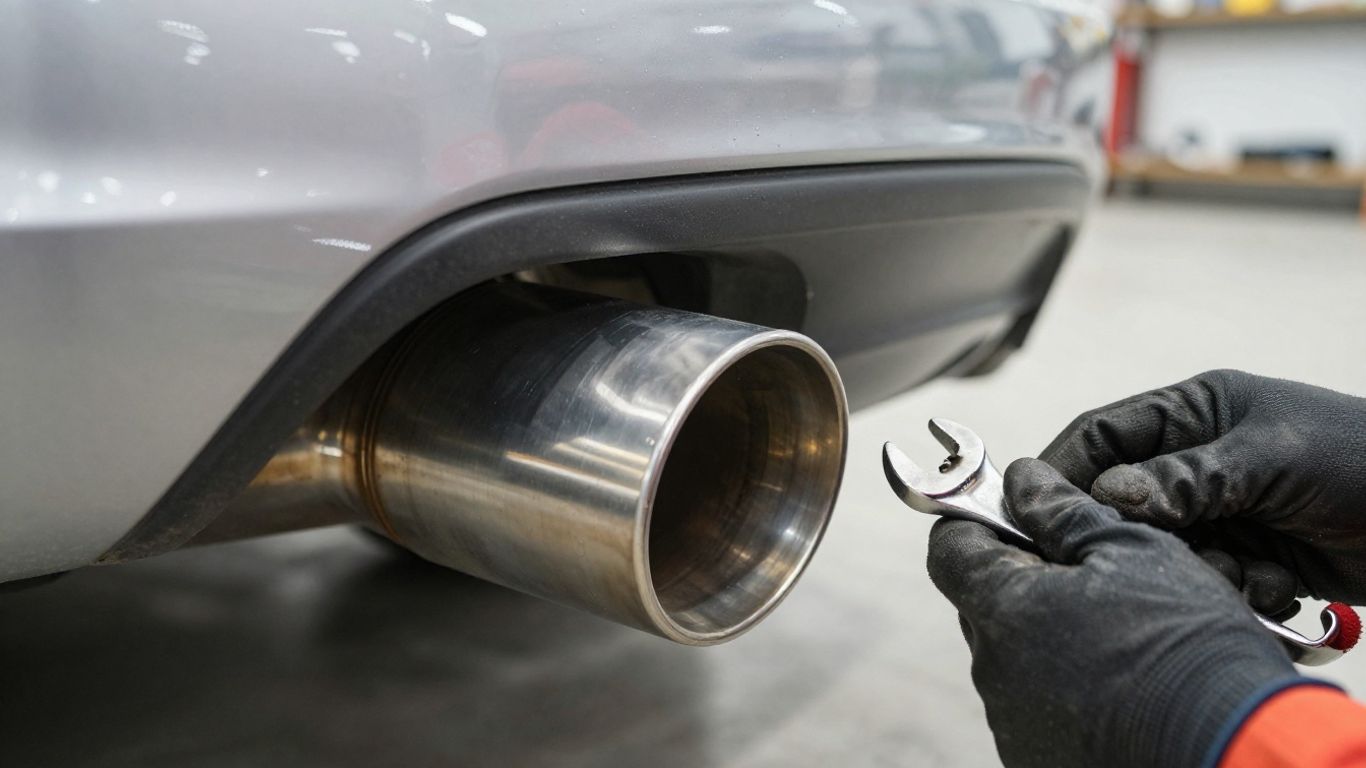
So, you’ve decided it’s time to swap out that old exhaust pipe. That’s a big step! But before you just grab the first thing you see, let’s talk about picking the right replacement. It’s not just about fitting a new pipe; it’s about what that pipe is made of and how it’ll perform.
Aftermarket vs. OE-Style Replacements
When you’re looking for a new exhaust pipe, you’ll mostly see two types: OE-style and aftermarket. OE-style, which stands for Original Equipment, is basically a copy of what your car came with from the factory. It’s designed to fit perfectly and function just like the original. If you’re just trying to fix a problem and want your car to sound and run like it always has, this is usually the way to go. Aftermarket pipes, on the other hand, are made by companies other than your car’s manufacturer. These can range from direct replacements that are just a bit better quality to full performance systems designed to change how your car sounds and performs. You can find a lot of information on different exhaust upgrades from places that specialize in car parts, like Summit Racing’s tech experts.
Benefits of Stainless Steel Exhausts
Material matters, a lot. You’ll see exhaust pipes made from mild steel, aluminized steel, and stainless steel. Mild steel is cheap but rusts fast, especially if you live where they salt the roads in winter. Aluminized steel is better, with a coating to fight rust, but that coating can get scratched, and the welds are still weak spots. Stainless steel is generally the best choice for longevity and resistance to corrosion. It costs more upfront, sure, but it holds up way better against the elements and high heat. Most factory systems today are stainless for a reason. There are different grades, too. 409 stainless is common and lasts a good 8-10 years. 304 stainless is even tougher, resists heat better, and won’t rust at all, but it’s pricier and might turn a golden color over time.
Selecting the Correct Exhaust Pipe Size
Getting the size right is pretty important. If you’re going for an OE-style replacement, you just match the original size. But if you’re looking at aftermarket options, especially performance ones, size can affect how your engine breathes. Too small, and it can choke up the exhaust flow, hurting performance. Too big, and it might not create enough back pressure, which some engines need to run efficiently. For most daily drivers, sticking close to the factory diameter is a safe bet. If you’re building a custom setup or chasing serious horsepower, you’ll want to do some research or talk to someone who knows about different exhaust upgrades and how pipe diameter plays a role. It’s not just about the pipe itself, but the whole system working together.
When you’re picking out a new exhaust pipe, think about how long you plan to keep the car and the conditions it’ll be driven in. A stainless steel system might cost more now, but it could save you money and hassle down the road by lasting much longer than cheaper alternatives.
Picking the right exhaust for your car can seem tricky. There are many options out there, and each one does something a little different. We want to help you make the best choice for your ride. Learn more about what makes a good exhaust system and find the perfect fit for your needs. Visit our website today to explore all the options and get expert advice!
Wrapping It Up
So, replacing your car’s exhaust pipe might seem like a big job, but as we’ve seen, it’s totally doable for many folks. Keep an eye out for those warning signs like weird noises or rust, and don’t wait too long to fix things. Whether you’re going for a simple replacement or a performance upgrade, having the right parts and tools makes all the difference. If you’re ever unsure, or if things get complicated with rusty bolts or tricky bends, there’s no shame in calling up a mechanic. But for many, tackling this yourself can be a rewarding way to keep your ride running smoothly and sounding just right.
Frequently Asked Questions
How do I know if my car’s exhaust system is failing?
Watch out for strange noises like loud rumbling or hissing sounds. You might also notice a change in your car’s performance, like less power, or even see rust and holes in the pipes. Sometimes, you’ll smell exhaust fumes inside the car, which is a big warning sign.
What are the main parts of an exhaust system?
The main parts include the exhaust manifold (connected to the engine), the catalytic converter (cleans up fumes), the muffler (quiets the noise), and the tailpipe (lets fumes out). You also have hangers, clamps, and gaskets that hold it all together.
How long do factory exhaust systems usually last?
Most factory exhaust systems, especially those made of stainless steel, can last for about 5 to 10 years with regular driving. However, this can change depending on where you live and the road conditions. Salt used in winter can make them rust faster.
What’s the difference between aftermarket and OE-style exhaust parts?
OE-style parts are made to be just like the original ones your car came with. Aftermarket parts can be designed for better performance, a different look, or sometimes just to be a cheaper replacement. They aren’t always identical to the original parts.
Do I need special tools to replace an exhaust pipe?
You’ll need basic tools like wrenches and sockets. If the bolts are rusty, you might need a breaker bar for extra force, penetrating spray to loosen them, or even cutting tools like a saw or grinder to remove stubborn old parts. Special hanger pliers can also make the job easier.
What are the risks of not installing the new exhaust pipe correctly?
If the new exhaust isn’t put in right, it could leak fumes into the car’s cabin, which is dangerous. It might also rattle, hang too low and get damaged, or not fit properly, causing stress on other parts. Making sure it’s aligned and secure is key.