
Looking back at the history of indoor plumbing reveals a fascinating journey. Here are some of the main points to remember about how plumbing became a standard part of American life:
Key Takeaways
- Ancient civilizations like the Egyptians and Romans had early forms of water systems and sanitation.
- The Industrial Revolution brought big changes with new materials like cast iron pipes and city-wide drainage.
- Indoor bathrooms started appearing in American homes in the late 1800s.
- By the early 1900s, indoor plumbing was becoming a regular feature in most American houses.
- Modern plumbing builds on centuries of innovation, focusing on safety, efficiency, and advanced technology.
Ancient Roots Of Indoor Plumbing
Long before fancy faucets and flush toilets became everyday things, people were figuring out how to manage water. It turns out, the idea of bringing water into homes and getting waste out isn’t new at all. We’re talking thousands of years back.
Early Water Systems In Ancient Egypt
Ancient Egyptians were pretty smart about water. As early as 2500 BCE, they were using copper pipes to move water from the Nile River into their homes and even into pyramids. They also had drainage systems, which were pretty basic but a start. It’s wild to think about how they managed this without modern tools. The Indus Valley Civilization was also doing some impressive stuff around the same time, even earlier in some cases, with their own water pipes and early toilets.
Roman Engineering And Public Sanitation
The Romans really took things up a notch. They built massive aqueducts to bring fresh water into their cities from miles away. And their public baths? Those were like early community centers with elaborate water systems. They also developed sewer systems to carry waste away. This focus on public sanitation was a huge deal for public health. It wasn’t just about convenience; it was about keeping cities cleaner and healthier.
Medieval Sanitation Challenges
After the Roman Empire kind of fell apart, a lot of that advanced plumbing and sanitation knowledge got lost in many places. During the Middle Ages, things got a bit grim. Indoor plumbing was rare, and waste disposal often meant just tossing it out into the street or a nearby ditch. This lack of proper sanitation led to a lot of disease. It really shows how important those early systems were, even if they weren’t perfect.
The struggle for clean water and effective waste removal has been a constant throughout human history, shaping how we build our communities and live our lives.
The Industrial Revolution’s Impact On Plumbing
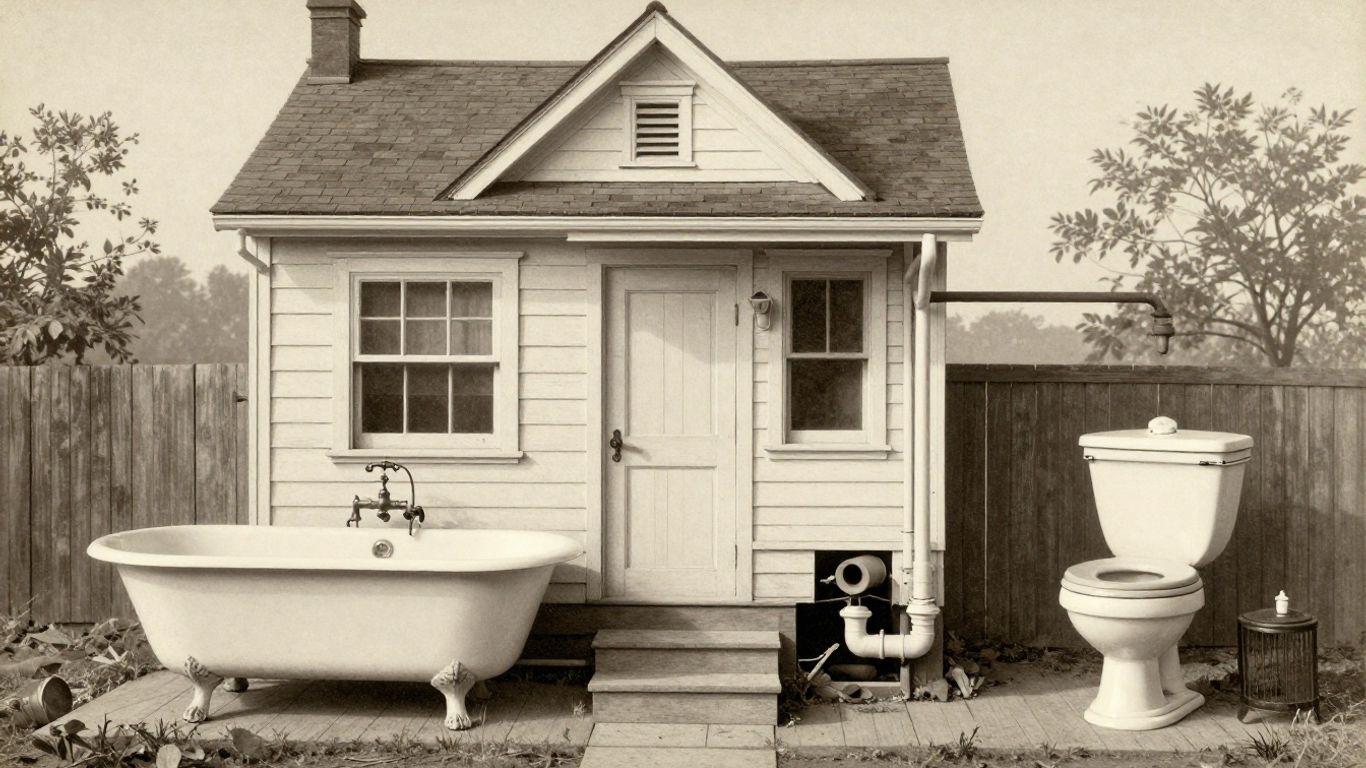
The Industrial Revolution really shook things up, and plumbing was no exception. Before this time, getting water into a house and dealing with waste was a whole different ballgame, often involving buckets and outhouses. But as factories popped up and cities grew, the need for better infrastructure became super obvious. This era saw the first real steps towards organized, large-scale plumbing solutions.
Rise Of Cast Iron Pipes
One of the biggest game-changers was the widespread adoption of cast iron pipes. These things were way more durable and could handle higher water pressure than the clay or lead pipes used before. This meant water could be pushed further and more reliably into buildings. Plus, they were better at containing waste, which was a huge step up for sanitation.
Here’s a quick look at how materials changed:
| Material | Pros |
|---|---|
| Clay | Cheap, readily available |
| Lead | Malleable, easy to work with |
| Cast Iron | Durable, strong, good pressure rating |
Structured Drainage Systems In Cities
As more people crowded into cities, dealing with sewage became a major public health crisis. The Industrial Revolution spurred the development of more structured drainage systems. Instead of just dumping waste into rivers, cities started building underground sewer lines. This was a massive undertaking, but it made a huge difference in preventing the spread of diseases that used to run rampant. It’s pretty wild to think about how much our health relies on these buried networks, and how early issues with things like clogged vents could cause major problems like slow draining water.
The shift towards organized sewer systems during this period was less about convenience and more about survival. Disease outbreaks linked to poor sanitation were common, and the development of these underground networks was a direct response to that crisis, laying the groundwork for modern public health infrastructure.
This period also saw a growing awareness of the link between sanitation and health, which would eventually lead to more regulations and standards for plumbing. It was the beginning of plumbing moving from a basic necessity to a system that could actually improve quality of life and public well-being. The growth of middle-class opportunities during this time also meant more people could start thinking about these improvements in their own homes, even if it wasn’t standard yet as explored in this video.
The Dawn Of Indoor Plumbing In America
Late 1800s: Homes Embrace Indoor Bathrooms
Things really started to shift in the latter half of the 19th century. Before this, if you wanted running water inside, it was usually just cold water, and the toilet was often outside. But as cities grew and technology improved, more and more homes, especially in urban areas, began to see the appeal of having a dedicated bathroom inside. This wasn’t just about convenience; it was a big step towards better hygiene for many families. Early versions of water filtration systems also started popping up, trying to make the available water safer to drink. It was a time of big changes, and indoor plumbing was definitely one of them.
Early 1900s: Plumbing Becomes A Standard Feature
By the time the 20th century rolled around, indoor plumbing wasn’t just a luxury for the wealthy anymore. It was becoming something people expected in a new home. Think about it: having a toilet, a sink, and maybe even a bathtub all connected to running water and a sewer system inside your house was a pretty big deal. This widespread adoption didn’t happen overnight, of course, but the trend was clear. It was becoming the norm, especially in newly built houses. This era also saw the beginnings of regulations to make sure plumbing was installed safely and didn’t cause problems like contaminating the water supply. It’s fascinating to see how quickly this changed the way people lived. The development of early forms of water treatment played a role too.
Development Of Plumbing Codes And Safety Standards
As indoor plumbing became more common, people realized that just having pipes wasn’t enough. There needed to be rules and guidelines to make sure everything was done right. This led to the creation of plumbing codes. These codes were put in place for a few key reasons:
- Public Health: To prevent the spread of diseases through contaminated water or poor waste disposal.
- Safety: To ensure that pipes and fixtures were installed correctly and wouldn’t cause fires or leaks.
- Consistency: To create a standard for how plumbing should be done, making it easier for plumbers to work and for inspectors to check their work.
These standards were a huge step forward. They helped protect homeowners and communities by making sure that the plumbing systems being installed were reliable and safe. It’s a bit like how the Egyptians used copper pipes way back when – an early attempt at a better, safer system.
The push for indoor plumbing in American homes during this period was driven by a growing understanding of hygiene and a desire for greater comfort and convenience. It marked a significant departure from previous eras, laying the groundwork for the modern conveniences we often take for granted today.
When Did Indoor Plumbing Become Standard In America?
So, when did all this fancy running water and flushing toilets actually become the norm in American homes? It wasn’t an overnight switch, that’s for sure. While some wealthier homes started getting indoor bathrooms in the late 1800s, it took a good while for it to spread to everyone. Think of it like the early days of smartphones – cool, but not something everyone had right away.
The Transition To Widespread Adoption
By the 1920s and 1930s, indoor plumbing was becoming much more common, especially in cities. The Great Depression slowed things down a bit, but after World War II, there was a huge boom in home building, and new houses almost always came with indoor plumbing. It was really in the 1950s and 1960s that indoor plumbing went from being a nice-to-have to a standard feature in most American households. It just became expected, like having electricity.
Factors Driving Standardization
Several things pushed plumbing to become standard. For starters, people realized how much healthier it was. Less disease, more convenience – who wouldn’t want that? Plus, as cities grew, better sanitation systems were needed for everyone. There was also a big push for consistent building practices.
- Public Health Awareness: People started connecting poor sanitation with illness and demanded better systems.
- Urbanization: As more people moved to cities, the need for organized water supply and waste removal became critical.
- Technological Advancements: Cheaper and more reliable materials, like copper piping, made installation easier and more affordable.
- Government Initiatives: Efforts were made to create consistent building rules, which included plumbing standards. Secretary of Commerce Herbert Hoover was a big proponent of this in the 1920s, pushing for standardized plumbing and building codes.
The shift towards standardized indoor plumbing wasn’t just about convenience; it was a major public health victory. It dramatically reduced the spread of waterborne diseases and improved the overall quality of life for millions of Americans, paving the way for the modern homes we know today.
By the mid-20th century, having a bathroom with a sink, toilet, and shower or tub inside the house was pretty much a given for anyone building or buying a new home. This widespread adoption really cemented indoor plumbing as a basic necessity, not a luxury. You can see how indoor plumbing became more common in urban households by the 1930s and then spread from there.
20th Century Advancements In Plumbing
The 20th century was a real game-changer for plumbing. Things really started to get serious about making homes comfortable and safe. Before this, you might have had running water, but getting hot water on demand or having reliable pipes was still a bit of a luxury for many.
Introduction Of Copper Piping
One of the biggest shifts was the widespread adoption of copper piping. While it had been around, it became the go-to material for a good reason. Copper is tough, it doesn’t rust like iron, and it handles both hot and cold water like a champ. This meant fewer leaks and a longer lifespan for the pipes themselves. It really made a difference in how reliable home plumbing systems could be.
Development Of Water Heater Systems
And then there were water heaters. Suddenly, having hot water wasn’t just for the wealthy or for special occasions. Different types of water heaters started popping up, making it easier for families to have hot showers and do laundry without a second thought. This development dramatically improved daily life and hygiene in homes across the country. Gas-powered heaters became quite popular, offering an efficient way to get that hot water flowing.
Expansion Of Residential Plumbing Networks
As towns and cities grew, so did the plumbing networks. More and more homes were being connected to municipal water supplies and sewer systems. This expansion meant that the conveniences of indoor plumbing, which had started in wealthier homes and hotels, could reach a much larger population. It was a slow process, but by the mid-20th century, having indoor plumbing was becoming the norm, not the exception.
The push for better plumbing in the 20th century wasn’t just about convenience; it was deeply tied to public health. As more people understood the link between clean water, proper waste disposal, and preventing disease, the demand for standardized, reliable plumbing systems grew. This era saw the foundations laid for the safe and efficient water systems we often take for granted today.
Here’s a quick look at some key materials and their roles:
- Cast Iron: Still used for drain, waste, and vent pipes due to its durability and sound-dampening qualities.
- Copper: Became the standard for water supply lines, valued for its corrosion resistance and ease of installation.
- Galvanized Steel: While common earlier, its tendency to corrode over time led to its gradual replacement by copper and later PEX.
This period really set the stage for the plumbing we have now, making sure homes were not only functional but also healthier places to live. It’s amazing to think about how much changed in just a few decades, making things like indoor toilets a common sight.
Modern Plumbing Systems And Their Evolution
So, we’ve come a long way from those ancient clay pipes, haven’t we? Today’s plumbing is pretty wild when you think about it. We’re talking about systems that are way more complex and, thankfully, a lot more reliable than what folks had even fifty years ago. The focus has really shifted towards efficiency, safety, and even making our homes smarter.
Think about the materials alone. We’ve moved past just copper and galvanized steel. Now, PEX tubing is a big deal – it’s flexible, easier to install, and doesn’t corrode like older metals. Plus, the way we handle water heating has gotten way more sophisticated. Gone are the days of just a big tank sitting in the basement; now we have tankless options that heat water on demand, saving energy and space. It’s a whole different ballgame.
Here’s a quick look at some of the big changes:
- Advanced Leak Detection: Instead of waiting for a ceiling to start dripping, modern systems can detect leaks early. Some even have sensors that can shut off the water automatically to prevent major damage. It’s like having a watchful eye on your pipes.
- High-Efficiency Water Heaters: Whether it’s tankless models or high-efficiency storage tanks, these systems are designed to use less energy to heat your water. This saves money on utility bills and is better for the environment.
- Smart Home Integration: Yep, your plumbing can be smart now. Devices can monitor water usage, detect unusual patterns that might signal a leak, and even let you control things remotely from your phone. It’s pretty neat.
The evolution of plumbing, from ancient clay pipes to modern smart water systems, has significantly impacted daily life, work, and comfort. This timeline explores key developments, starting with the introduction of toilets in the 1500s-1600s and continuing through subsequent centuries of innovation.
It’s amazing how much technology has been packed into something as basic as getting water to your faucet and taking it away. These advancements mean fewer emergency calls and more peace of mind for homeowners. If you’re curious about how these systems work or need an upgrade, checking out residential plumbing services is a good start.
Plumbing has come a long way! From ancient pipes to today’s smart systems, it’s amazing how much has changed. We’ve seen incredible advancements that make our homes more comfortable and efficient. Want to learn more about how modern plumbing works and its fascinating history? Visit our website for all the details!
Conclusion
So, when did indoor plumbing become standard in America? It wasn’t an overnight switch. While early systems existed, it was really the late 1800s and early 1900s that saw indoor bathrooms and running water go from a luxury to a common feature in homes. This shift was driven by new technologies, growing cities, and a greater focus on public health. Today, plumbing systems are incredibly advanced, but they all trace their roots back to those early efforts to bring clean water and sanitation into our homes.
Frequently Asked Questions
What’s the oldest type of plumbing?
People have been moving water around for a really long time! Ancient Egyptians used copper pipes way back in 2500 BCE, and the Romans were famous for their aqueducts and public baths. So, the idea of plumbing is super old, even if it looked very different then.
When did toilets with water start showing up in homes?
The idea of a flush toilet has been around for a while, but it wasn’t common in homes until much later. In America, the late 1800s and early 1900s were the big years when indoor bathrooms with running water and flush toilets started becoming a normal thing for many families.
Why did plumbing take so long to become standard?
It took time because the technology needed to be invented and improved. Plus, building big sewer systems for whole cities and getting clean water to every house was a huge project. It also cost a lot of money, so it was a gradual process as cities grew and new inventions made things easier and cheaper.
Did everyone get indoor plumbing at the same time?
Nope, not at all. Richer people and those living in cities usually got it first. It took many, many years for indoor plumbing to reach smaller towns and rural areas. It was a slow spread across the country.
What changed to make indoor plumbing so common?
A few things! New materials like better pipes made it more reliable. Cities started building better water and sewer systems. And people realized how much healthier and more convenient it was to have running water and a toilet inside. Safety rules, called plumbing codes, also helped make sure it was done right.
Is modern plumbing very different from old plumbing?
Oh yeah, it’s a huge difference! Ancient plumbing was mostly about moving water and basic waste removal. Today, we have super smart systems that detect leaks, heat water super fast and efficiently, and even connect to our phones. It’s all about making things safer, saving water, and being more convenient.