
Key Takeaways
A reliable plumber pairs practical skill with clear communication and work you can understand. A little preparation makes it easier to compare providers and decide what your home needs.
- Check licensing, insurance, local experience, and who will do the work.
- Ask how the plumber will diagnose the problem and explain repair options.
- Compare estimates by scope, materials, and terms—not just the total.
- Pay attention to early signs of leaks, slow drains, or changing water-heater performance.
- Keep records of repairs and ask questions before approving work.
What elite plumbing service means
The phrase elite plumbing is best understood as a standard of care, not a special label. For homeowners, that standard is visible in the way a company diagnoses a problem, protects the home, and explains what comes next. Credentials matter, but so do straightforward answers and a finished repair that matches the agreed scope. Those qualities are worth checking before a small issue becomes a disruptive one.
The skills and credentials to look for
Plumbing work can involve building codes, water supply lines, drainage, and equipment that needs proper installation. Ask whether the plumber holds the license required for the work in your area, and whether the company carries insurance. A provider should be able to explain which credentials apply and who is responsible for the job. Relevant experience with the type of issue in your home can also help you assess whether the company is a sensible fit.
How professionalism shows up on the job
Professional conduct is often easiest to judge through small, practical details. A plumber should arrive prepared to inspect the issue, take care around floors and belongings, and keep you informed if the situation changes. Before work begins, the proposed repair should be clear enough for you to understand what is being done and why. Respect for your home and your time is part of good service, not an optional extra.
Why clear communication matters
A useful explanation connects the observed problem to the proposed repair without pressuring you to make a rushed decision. Ask what the plumber found, what options are available, and what could happen if you wait. If technical terms come up, it is reasonable to ask for a plain-language explanation. Clear communication gives you a basis for deciding, rather than leaving you to approve work you do not understand.
Common plumbing services for homeowners
Home plumbing companies may handle a range of problems, from a dripping connection to a blocked drain or a water heater that needs attention. The right service depends on the symptoms, the location of the issue, and what an inspection reveals. Service descriptions can help you check whether a company takes on the kind of work you need, but the diagnosis should still be specific to your home. For one example of a published service list, Local Services Inc describes repairs, water-heater installation, drain cleaning, and leak detection.
Leak detection and pipe repairs
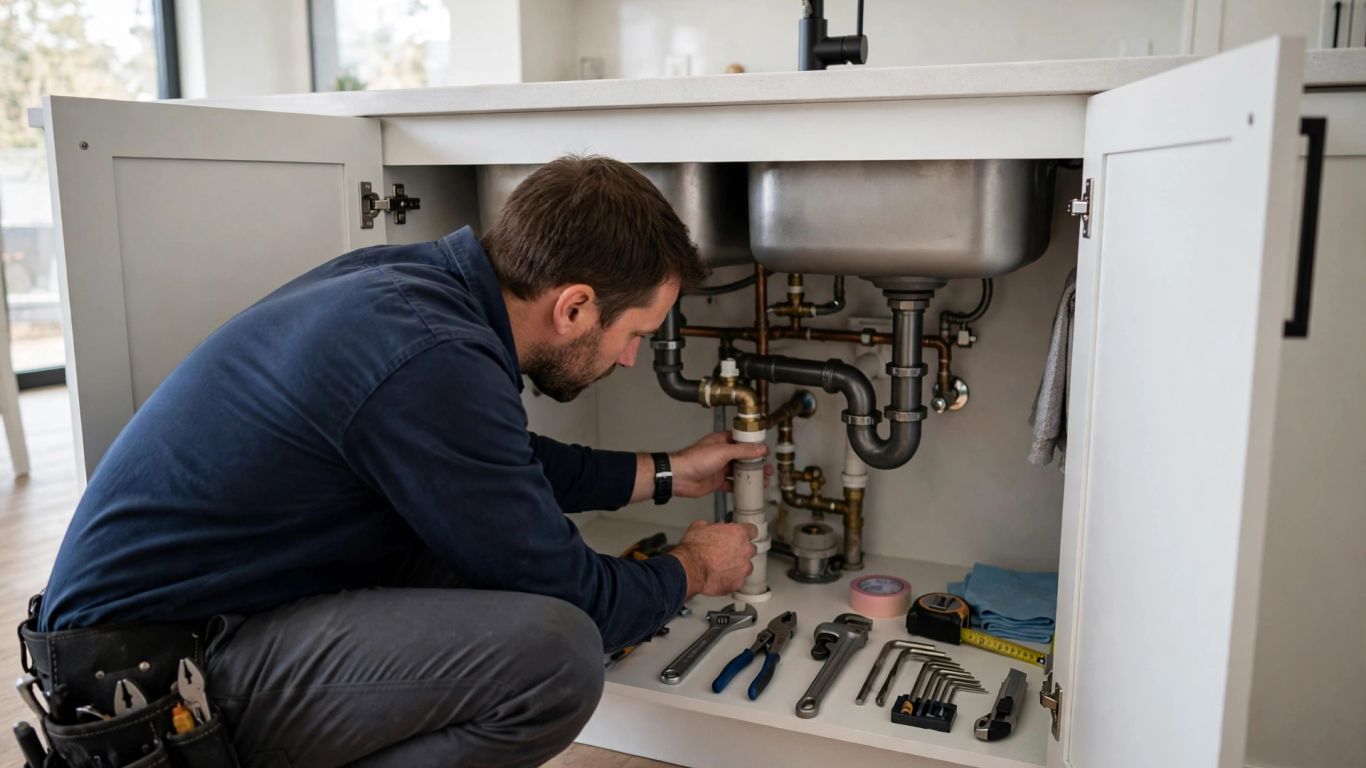
A leak may appear as a damp patch, a musty smell, peeling paint, or a water bill that seems out of step with normal use. The visible mark is not always right beside the source, so a plumber may inspect nearby fixtures, connections, and accessible pipework to narrow it down. Once the source is identified, ask what section needs repair and whether any surrounding material may also require attention. Fixing the cause matters more than simply covering the sign of water damage.
Drain cleaning and sewer line work
A slow sink or tub can come from a local obstruction, while repeated backups in several fixtures may call for a broader investigation. Describe when the problem started and whether it affects one drain or more than one; those details can help focus the inspection. Ask what method the plumber recommends and what it is intended to address. If the issue may involve a sewer line, request an explanation of what has been observed before approving a larger repair.
Water heaters and fixture installation
Water-heater work can include troubleshooting, replacement, or installation, depending on the equipment and the problem. Fixture installation is another common request, but the details still matter: fit, connections, shutoff access, and whether existing plumbing needs adjustment. A provider such as Elite Plumbing Atlanta lists residential water-heater services alongside drain and leak work; use service descriptions like these as a starting point, then confirm the exact scope for your home. A clear estimate should identify the equipment or fixture and any related labor or materials.
How to choose the right plumbing company
Choosing a plumber is easier when you compare the same basic information from each company. Look at credentials, the work being offered, the estimate process, and how clearly the provider answers your questions. Recommendations and online reviews can help you form an initial impression, but they do not replace checking the details of your own job. It can also help to look for licensed plumbing services when checking how providers describe their qualifications and estimates.
Check licensing, insurance, and local experience
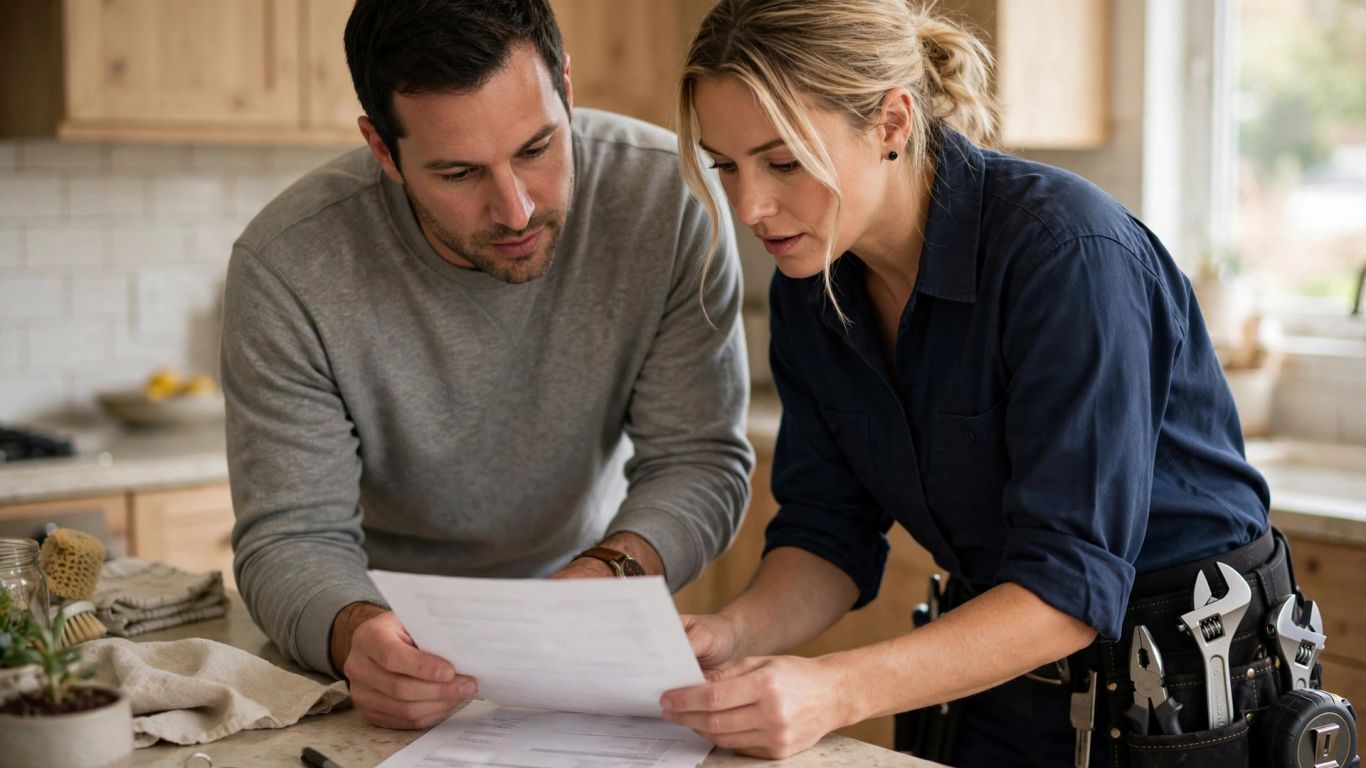
Licensing and insurance requirements vary by location and by type of work, so check what applies where you live. Ask the company to confirm that the person doing the job is properly qualified and that the business has appropriate coverage. Local experience may be useful when a plumber is familiar with common housing types or local requirements, but ask about relevant experience rather than relying on a broad claim. For a neutral reference outside plumbing, the same habit of checking fit and specifications appears in guides to cabinet hardware choices.
Compare reviews and service guarantees
Reviews can reveal patterns in how a company communicates, handles scheduling, and responds when work needs follow-up. Read several recent comments instead of treating one glowing or negative review as a complete picture. If a company offers a guarantee, ask what it covers, how long it lasts, and what steps you must take to request service under it. A provider’s explanation of its terms is more useful than a vague promise of satisfaction.
Ask who will perform the work
Before scheduling, clarify whether the person who evaluates the issue will also carry out the repair, or whether another technician will come. Ask who will be your point of contact and how changes to the scope are approved. These details matter if the diagnosis leads to additional work or a return visit. In other service decisions, such as choosing a video production company, comparing experience, workflow, and communication can likewise help set expectations; the same general questions can clarify how a contractor plans to work with you.
What to expect during a plumbing visit
A service visit usually begins with a conversation about what you have noticed and when it happens. The plumber then examines the relevant fixtures or accessible plumbing and explains the likely cause and possible next steps. The precise process depends on the problem, so ask questions if an inspection or recommended repair is unclear. You should have a chance to understand the proposed work before deciding whether to proceed.
How plumbers inspect and diagnose a problem
Start by describing the symptoms as accurately as you can: when they began, whether they are constant, and which fixtures are affected. The plumber may check visible connections, test fixtures, or inspect other accessible areas related to the complaint. If the cause is not immediately apparent, ask what additional investigation is needed and what it can establish. A diagnosis should connect the evidence observed to the repair being recommended.
When to approve a repair or request another estimate
You can approve work when you understand the diagnosis, the proposed scope, and the expected cost. If the repair is substantial, the explanation feels incomplete, or you want to compare options, it is reasonable to pause and request another estimate. Make sure you understand whether a second assessment involves a fee and whether delaying the repair could worsen the problem. For urgent water issues, ask what immediate steps are sensible while you decide.
What to confirm before work begins
Before the plumber starts, confirm the parts of the job that are most likely to cause confusion later. A written estimate or work order can make the agreed scope easier to remember. Use a short set of questions to check that you and the plumber have the same understanding:
- Which repair or installation is included?
- What materials, parts, or equipment are covered?
- How will changes or additional work be approved?
- What cleanup and follow-up, if any, are included?
Once these points are clear, keep a copy of the estimate and any updates. That record gives both sides a useful reference if the work changes or you have questions afterward.
Understanding plumbing costs
Plumbing estimates can differ because jobs vary in access, diagnosis, materials, and the amount of work involved. A low total is not necessarily the best value if it omits an important step or leaves the scope unclear. Ask each provider to describe the work in comparable terms and identify any conditions that could change the price. A written breakdown can make those differences easier to assess.
How labor, materials, and complexity affect pricing
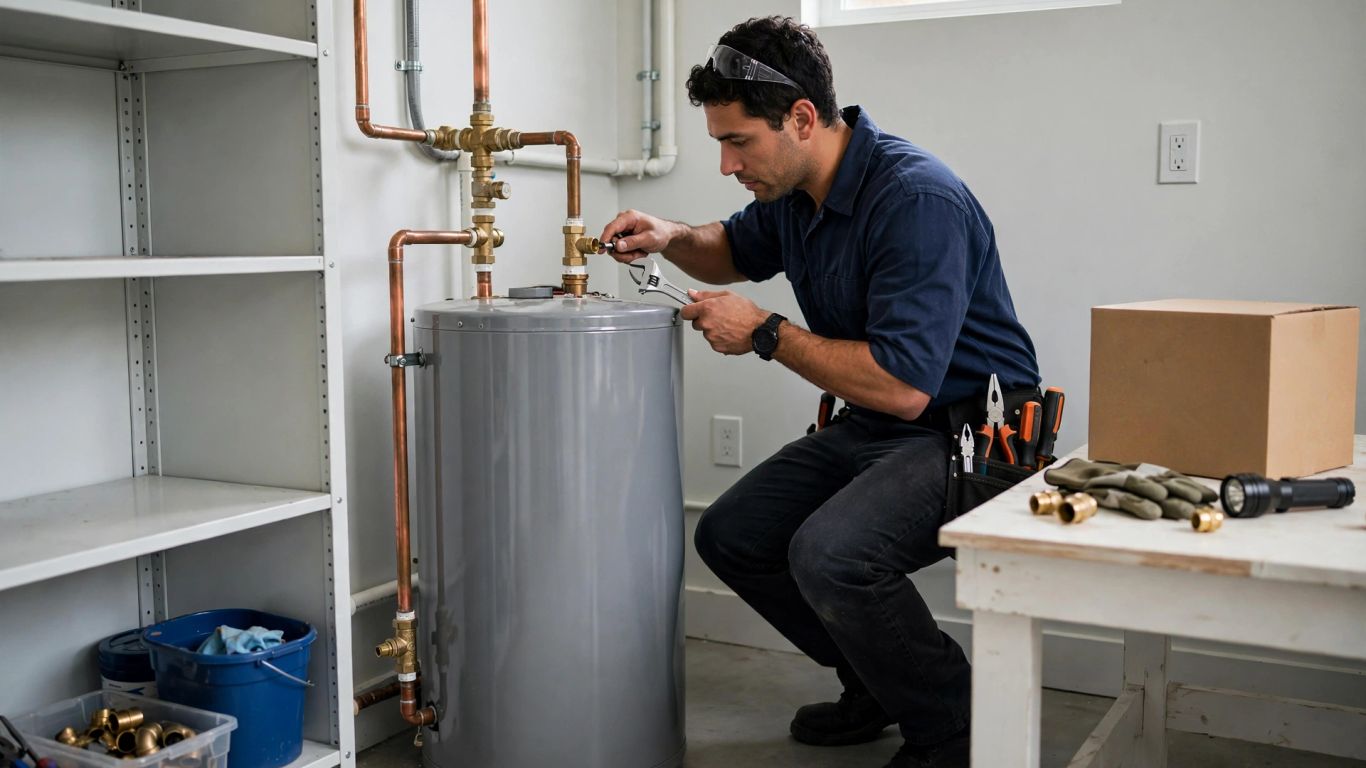
The time needed to locate a problem and reach the affected area can influence labor, while replacement parts and equipment contribute to material costs. Work in a tight or difficult-to-access space may take longer than a similar repair in an open area. The table below shows common estimate elements to ask about; it is a comparison aid, not a price list.
| Estimate element | What to clarify | Why it matters |
|---|---|---|
| Diagnosis | What has been inspected and found? | Connects the proposed work to the symptoms |
| Labor | What tasks and time are included? | Helps compare the scope of service |
| Materials | Which parts or equipment are specified? | Identifies what the estimate covers |
| Additional work | How will unexpected needs be priced? | Helps prevent surprises during the job |
Use the answers to compare like with like. If one estimate includes work another leaves out, ask for an explanation before treating the totals as directly comparable.
When emergency rates may apply
A company may charge different rates for service outside regular business hours, but policies vary. Before authorizing emergency work, ask about the call-out fee, hourly or flat-rate charges, and what the initial visit includes. If water is actively damaging the home, you may need to take immediate steps while arranging help; an emergency service description from Lightspeed Restoration notes coordination with licensed plumbers for certain water-damage situations. Confirm what each provider will actually do, since restoration and plumbing work are distinct services.
How to compare estimates fairly
Compare the diagnosis, scope, materials, timing, and warranty or guarantee terms—not just the final number. Ask whether the estimate is fixed or may change after further inspection, and how you will be asked to approve additional work. You can also check whether proposed equipment meets the needs of your home; for unrelated projects, LED selection criteria provide an example of comparing specifications and compatibility rather than price alone. The goal is not to choose the most elaborate estimate, but the one that clearly addresses the problem.
Preventive care for a healthier plumbing system
Routine attention can help you notice changes before they turn into a larger disruption. Check the areas you can safely see, pay attention to how fixtures perform, and act when something changes rather than assuming it will resolve on its own. Prevention does not mean opening walls or attempting repairs beyond your comfort or skill. Small observations and timely professional advice are often enough to guide the next step.
Spot early signs of leaks and clogs
Look for persistent dampness, unexplained odors, visible corrosion, or water stains around fixtures and exposed pipes. A drain that slows repeatedly, gurgles, or backs up may need more than a quick surface fix. Note where and when the symptom occurs, especially if more than one fixture is involved. That information can help a plumber distinguish a localized issue from a wider one.
Maintain drains, fixtures, and water heaters
Simple habits can reduce avoidable strain: use drains as intended, address small drips, and pay attention to changes in hot-water performance. Follow the care instructions for installed equipment, since requirements vary by model and setup. If you notice a leak or a new sound, do not wait for a routine visit to mention it. Keep the product details and records of repairs somewhere easy to find.
Know when a routine inspection is worthwhile
An inspection may be useful when you are seeing recurring symptoms, planning a renovation, or unsure about the condition of accessible plumbing. Ask what areas the visit will cover and whether the plumber will provide written findings or recommendations. There is no single schedule that suits every home, so consider the age and condition of the system and any issues you have observed. A focused inspection is most helpful when it answers a specific question.
Conclusion
A reliable plumbing service makes the problem understandable, describes the work clearly, and gives you room to make an informed decision. Check qualifications, compare estimates by scope, and keep an eye on small changes in your home’s plumbing. If you are in Peoria or a surrounding area and want to discuss a plumbing need, contact the team at Novy Plumbing to learn about available service options.
Frequently Asked Questions
How can I tell whether a plumber is qualified?
Ask about the license required for your area and the work involved, confirm insurance, and clarify who will perform the job. You can also ask about experience with the specific issue in your home.
Should I get more than one plumbing estimate?
For larger or less urgent work, comparing estimates can help you understand differences in scope and cost. Make sure each provider is estimating the same repair so the comparison is fair.
What should a plumbing estimate include?
It should explain the proposed work and identify relevant labor, materials, and charges. Ask how additional work will be priced and approved if the plumber finds something unexpected.
Do plumbers charge more for emergency visits?
Some providers may use different rates for after-hours or emergency work, but policies vary. Ask about the call-out fee and what the initial visit covers before approving service when possible.
What should I do before a plumber arrives?
Describe the symptoms and when they began, and clear reasonable access to the affected fixture or area. If water is actively leaking, ask the service provider what immediate steps are appropriate for your situation.
How often should home plumbing be inspected?
There is no universal schedule for every household. Consider an inspection when you notice recurring problems, are planning a renovation, or want advice about the condition of accessible plumbing.
Can a slow drain indicate a serious problem?
Sometimes it is a localized obstruction, but repeated clogs or problems affecting multiple fixtures may need further investigation. Note which drains are involved and how often the issue returns, then share those details with a plumber.