
Thinking about upgrading your RV’s hot water situation? A tankless water heater for an RV might be just the ticket. Forget about those bulky tanks that take up space and run out of hot water at the worst times. We’re talking about getting hot water exactly when you need it, saving energy, and making your travels way more comfortable. This guide will walk you through what you need to know to pick the right one for your adventures.
Key Takeaways
- Tankless water heaters heat water on demand, offering a continuous supply without a storage tank, which is great for RVs.
- When picking a tankless water heater for your RV, think about the flow rate (how much hot water you need at once) and the fuel type (propane or electric).
- You’ll need to figure out the required temperature rise – how much hotter the water needs to get from its starting temperature.
- Installation matters; check if you have the space and if it fits with your RV’s plumbing and power setup.
- Regular upkeep, like cleaning and checking for issues, will keep your tankless water heater working well for a long time.
Understanding Tankless Water Heaters for RVs
Why Tankless Water Heating Is Perfect for RVs
If you’re hitting the road in an RV, you know that space and resources are always at a premium. That’s where tankless water heaters really shine. Unlike those bulky old tank heaters that take up precious room and constantly keep a big tank of water hot, tankless units heat water only when you need it. This means you get hot water on demand, whether it’s for a quick shower after a hike or washing up dishes after dinner. This on-demand heating is a game-changer for RV life. It helps save energy and frees up space that can be used for other things. For anyone living small, whether in an RV or a tiny home, this technology makes a lot of sense.
How Do RV Tankless Water Heaters Work?
So, how does this magic happen? It’s actually pretty straightforward. When you turn on a hot water faucet, cold water flows into the tankless unit. Inside, it passes through a powerful heating element – either electric or propane-powered. This element heats the water up super fast as it flows through. Then, the hot water goes straight to your faucet or showerhead. No waiting, no running out mid-wash. It’s a continuous supply as long as you have water and power. This is a big difference from traditional water heaters that have to heat up a whole tank first.
Benefits of Using an RV Tankless Water Heater
There are some really good reasons why folks are switching to tankless for their RVs:
- Endless Hot Water: Seriously, no more cold showers because someone else used up the hot water. You get a continuous supply.
- Space Saving: These units are way smaller than tank heaters. You can often tuck them away in a small cabinet or even mount them outside, giving you more room inside your RV.
- Energy Efficiency: Because they only heat water when you actually need it, they don’t waste energy keeping a tank hot 24/7. This can lead to savings on your propane or electricity bills.
Tankless systems are designed to provide hot water exactly when you turn on the tap. This means you’re not wasting energy heating water that just sits in a tank, waiting to be used. It’s a smarter way to manage your RV’s resources.
These units are a great upgrade for any RV owner looking for more comfort and convenience on the road. They provide a reliable hot water supply, which is important for any trip.
Key Factors When Selecting Your RV Tankless Water Heater
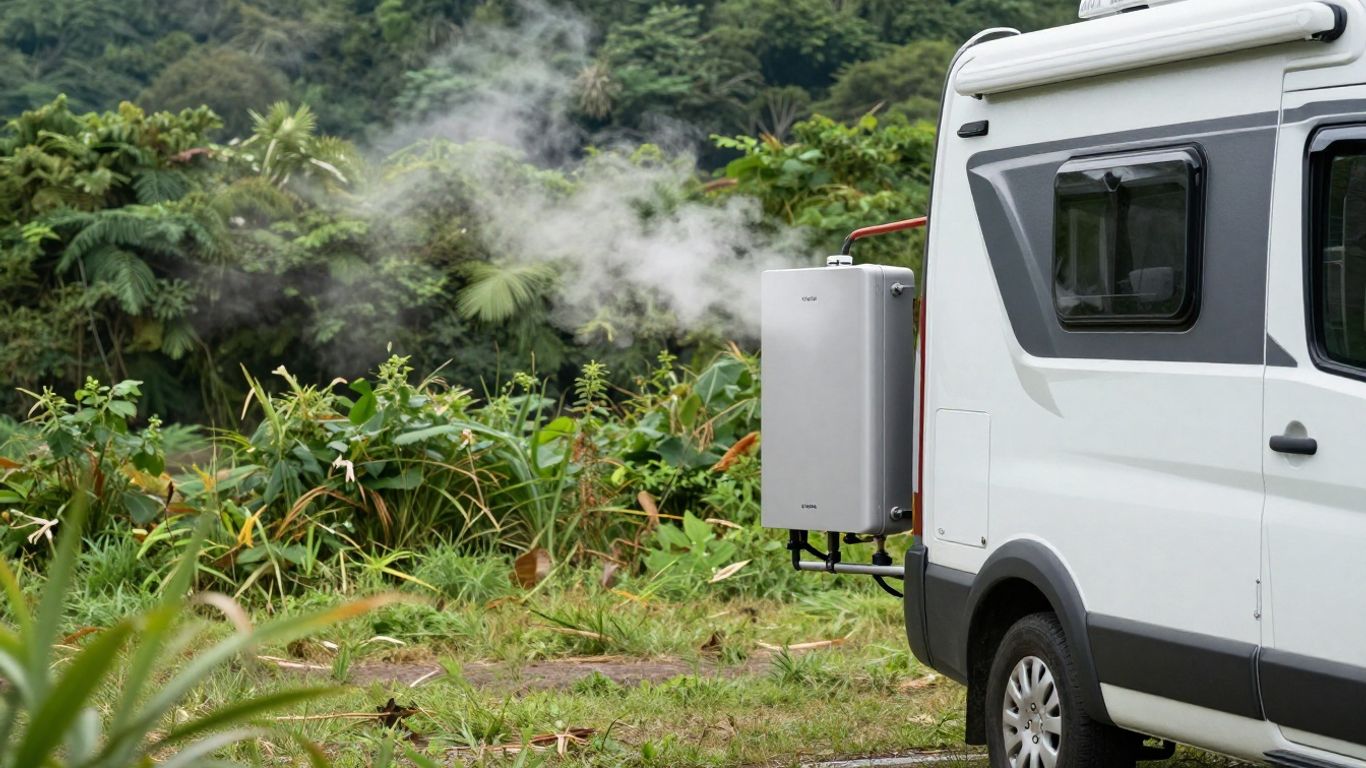
Alright, so you’re thinking about ditching that old RV water heater for a fancy new tankless model. Smart move! But before you just grab the first one you see, let’s talk about what really matters. Picking the right one isn’t just about getting hot water; it’s about getting the right hot water for your adventures.
Determining the Right Flow Rate
This is a big one. Flow rate is measured in gallons per minute (GPM), and it basically tells you how much hot water the heater can push out at once. If you’re usually just one person taking a quick shower, you won’t need as much GPM as a family of four who might have someone washing dishes while another person is showering. Think about how many faucets or showerheads you might run at the same time.
Here’s a rough idea:
- 1.5 – 2.0 GPM: Good for solo travelers or couples with minimal simultaneous hot water needs.
- 2.0 – 2.5 GPM: Suitable for small families or RVs where two low-demand outlets might be used at once.
- 2.5+ GPM: Best for larger families or RVs with multiple high-demand uses, like simultaneous showers or running laundry.
Choosing the Ideal Fuel Type
Your RV’s setup and where you usually camp play a huge role here. You’ve got a couple of main options:
- Propane: This is super common in RVs, especially if you do a lot of off-grid camping. Propane heaters are great because you don’t need a massive electrical hookup to run them. Just make sure you’ve got enough propane tanks and a plan for refilling them. Many RV owners find propane to be a reliable choice for their mobile setup propane is a popular option.
- Electric: If you mostly camp with shore power or have a robust solar setup, electric might be your jam. They’re often really efficient, but you need to be mindful of your RV’s electrical capacity. You don’t want to trip breakers every time you turn on the shower!
Considering Temperature Rise Requirements
This sounds technical, but it’s pretty straightforward. Temperature rise is simply how much hotter the water gets as it passes through the heater. You need to figure out what the incoming water temperature is likely to be where you’re camping (colder in the mountains, warmer down south) and then decide how hot you want your shower or sink water to be. Most tankless heaters will list their temperature rise capabilities at different flow rates. You want a heater that can handle your desired temperature increase, even at the flow rate you need.
Don’t just look at the maximum temperature. Consider the temperature rise at your typical flow rate. A unit might boast a high output temperature, but if it can only achieve that at a trickle, it’s not going to be very useful for a shower.
Exploring Different Types of RV Tankless Water Heaters
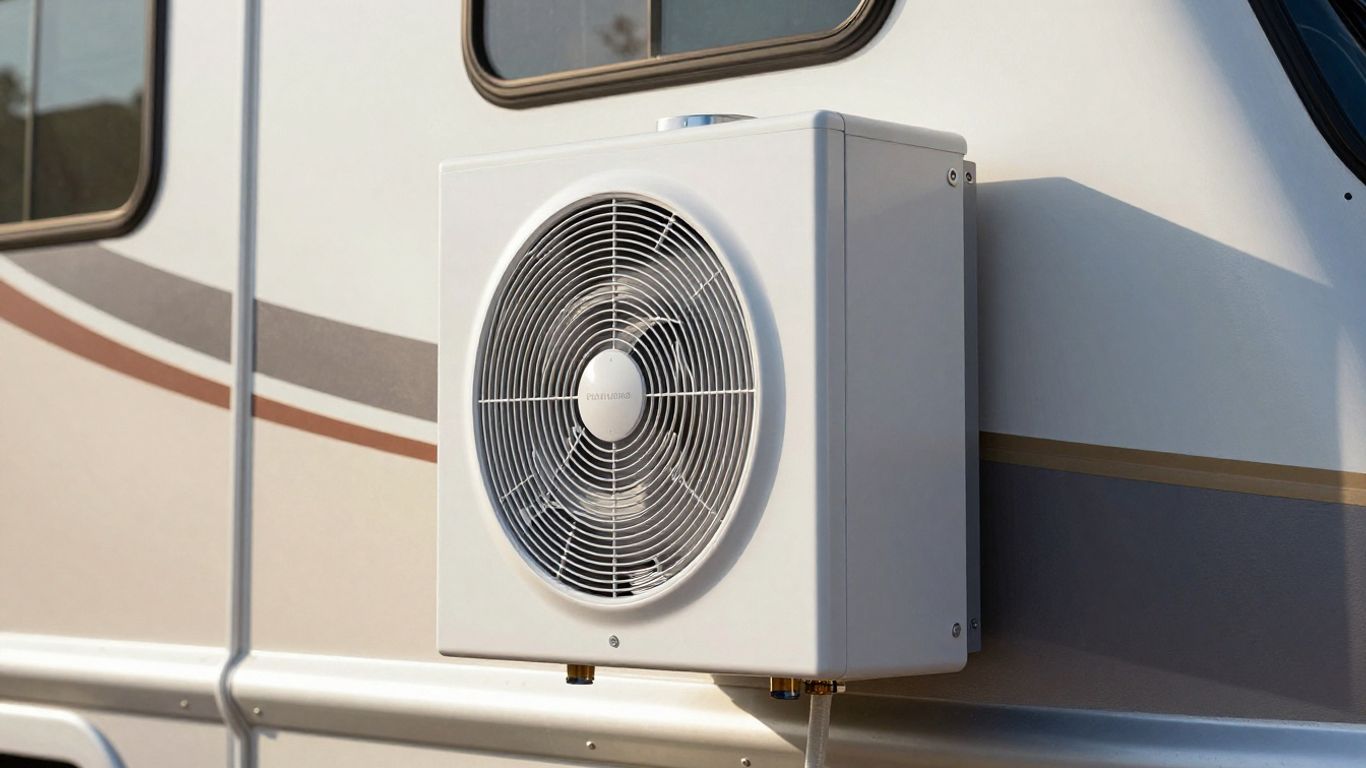
Propane RV Tankless Water Heaters
When you’re out on the road, especially if you’re not always plugged into shore power, propane tankless water heaters are a really popular choice. They’re great because they don’t rely on your RV’s electrical system to do the heavy lifting for heating. This means you can get hot water even when you’re parked off-grid, which is a huge plus for many adventurers. Propane models heat water as it flows through, so you get an endless supply, just like with electric ones. You just need to make sure you have enough propane in your tanks.
The main thing to think about with propane is the venting. Since they burn propane, they need a way to get the exhaust fumes outside safely. Most units come with specific venting kits, but you’ll need to figure out where on your RV that’s going to go. It’s not usually a huge deal, but it’s something to plan for during installation.
Here’s a quick look at what makes propane units stand out:
- On-Demand Heating: Heats water only when you need it, saving fuel.
- Off-Grid Friendly: Works well without needing a constant electrical hookup.
- Continuous Hot Water: No more running out mid-shower.
Propane tankless heaters are a solid bet for RVers who value flexibility and the ability to travel to more remote locations without sacrificing comfort.
Electric RV Tankless Water Heaters
Electric tankless water heaters are another option, and they’re pretty straightforward. They use electricity to heat the water as it passes through. If you spend a lot of time at campgrounds with good electrical hookups or have a robust solar setup, an electric model can be a really convenient choice. They’re often seen as being quite energy-efficient because they only use power when you actually need hot water, unlike older tank heaters that keep a big tank of water hot all the time. You can find some really nice models that offer precise temperature control, which is a nice touch for getting your shower just right. Check out some of the top RV tankless water heaters to see what’s out there.
However, you really need to pay attention to the power draw. These units can pull a lot of amps, so you’ve got to make sure your RV’s electrical system, including your shore power connection or generator, can handle the load. Sometimes, they might require a higher voltage than your RV typically uses, so double-checking compatibility is key. If your RV’s electrical capacity is limited, an electric tankless might not be the best fit without some upgrades.
- Energy Savings: Only heats water when needed, reducing waste.
- Clean Operation: No combustion byproducts to vent.
- Simple Controls: Often feature digital displays for easy temperature setting.
When considering an electric unit, it’s wise to look at the wattage and amperage requirements carefully. This will help you avoid tripping breakers or overloading your system when you’re trying to enjoy a hot shower after a long day of exploring.
Installation and Compatibility Considerations
Alright, so you’ve picked out a sweet tankless water heater for your RV, but now comes the part where you actually have to get it installed and make sure it plays nice with your rig. This isn’t always as straightforward as it looks in the brochures, and getting it wrong can lead to a whole heap of headaches. Paying attention to these details upfront will save you a ton of trouble down the road.
Assessing Available Space and Installation Type
First things first, where is this thing actually going to live? RVs are cozy by nature, so space is usually at a premium. You’ll need to measure the spot you’re thinking of very carefully. Tankless units are generally smaller than their tank-style cousins, but they still have dimensions – think height, width, and depth. Don’t forget to factor in clearance for ventilation and access for any future maintenance. Some units are designed for inside mounting, while others are meant for exterior compartments. Make sure the model you chose fits your RV’s layout and your preferred installation spot.
Ensuring Compatibility with Your RV Plumbing
This is a big one. Your new tankless heater needs to connect to your RV’s existing water lines. You’ll want to check the inlet and outlet sizes on the heater and compare them to your RV’s plumbing. Most RVs use standard fittings, but it’s always good to double-check. You’ll also want to consider the water pressure your RV system operates at. Some tankless heaters have specific pressure requirements, and if your RV’s pressure is too high or too low, you might need a pressure regulator. It’s also wise to look into how easily you can integrate it with your current hot and cold water lines. For a smooth integration, checking out resources on installing a tankless water heater can be super helpful.
Understanding Power Requirements
This ties directly into whether you’re going with a propane or electric model, or even a hybrid. Propane units need a proper gas line connection, and you’ve got to make sure there are no leaks – seriously, do a leak test. Electric models need a dedicated circuit with the correct amperage. You don’t want to overload your RV’s electrical system. If you’re thinking about a hybrid, you’ll need to ensure you have both a suitable propane supply and the electrical capacity. It’s not just about plugging it in; it’s about making sure your RV can handle the load safely and efficiently.
When you’re looking at installation, think about the whole system. This includes not just the heater itself, but also the venting requirements for propane models and the electrical hookups. Proper ventilation is absolutely key for safety with propane units, as it allows combustion gases to escape outside your RV. For electric models, ensure your RV’s power supply can handle the demand without tripping breakers.
Here’s a quick rundown of what to consider:
- Propane Units: Need a secure gas line connection and proper venting to the outside. Always perform a leak test on the gas line.
- Electric Units: Require a dedicated electrical circuit with sufficient amperage. Check your RV’s breaker panel capacity.
- Hybrid Units: Need both a propane supply and adequate electrical hookups. This offers flexibility but requires more complex setup.
- Plumbing Connections: Verify that the inlet and outlet fittings match your RV’s existing plumbing or that adapters are readily available.
- Space & Access: Ensure enough room for the unit itself, plus clearance for airflow and maintenance access.
Maintaining Your RV Tankless Water Heater
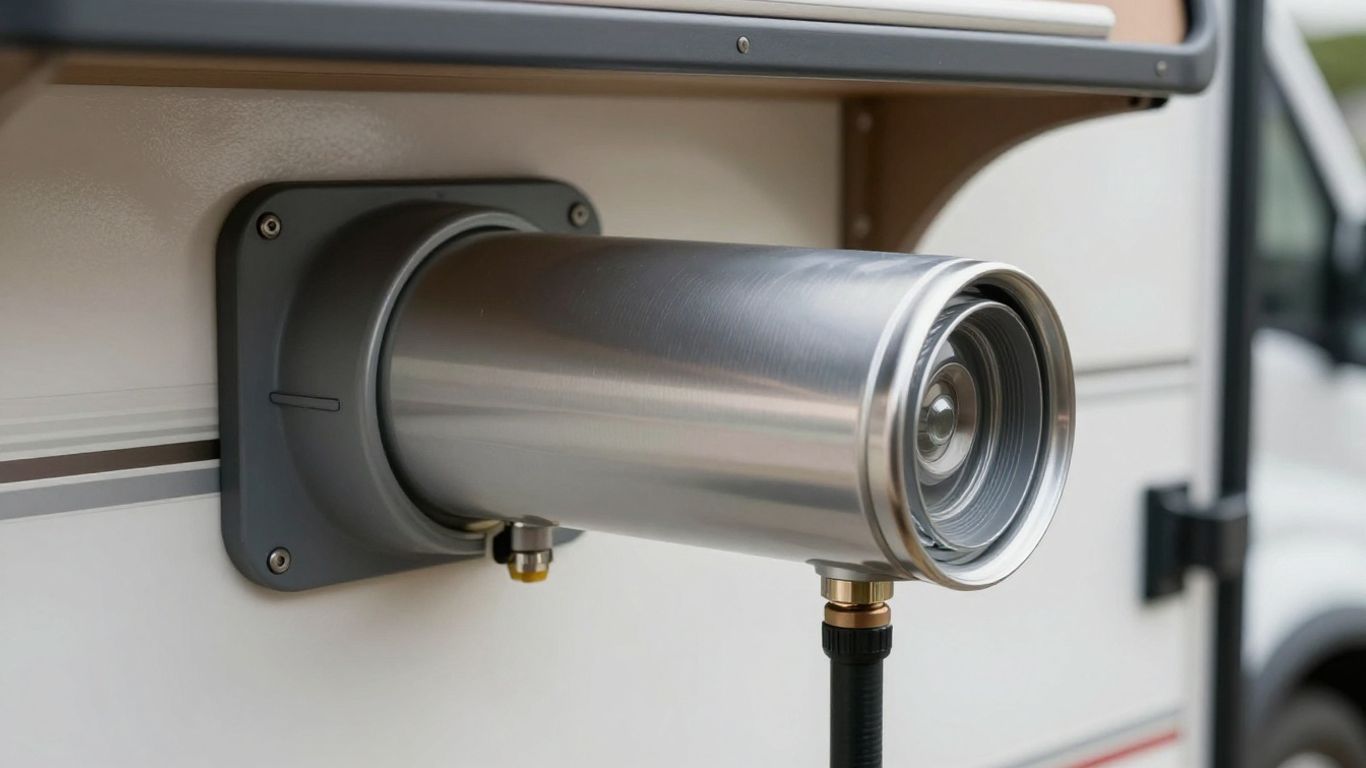
Keeping your RV’s tankless water heater in good shape is pretty straightforward, but it does need a little attention now and then. Think of it like giving your car an oil change – it just keeps things running smoothly and prevents bigger headaches down the road. Regular upkeep is key to making sure you always have hot water when you need it.
Routine Cleaning and Descaling
Over time, minerals from the water can build up inside your tankless heater. This is called scaling, and it can really mess with how well it works, making the water not as hot as it should be or even reducing the flow. You’ll want to flush the system periodically to get rid of this gunk. Most manufacturers suggest doing this at least once a year, but if you’re in an area with hard water, you might need to do it more often.
Here’s a basic rundown of how to flush it:
- Gather your supplies: You’ll need a descaling solution (often a vinegar and water mix or a commercial product), a small pump, some hoses, and buckets.
- Disconnect and connect: Turn off the water and gas/electricity. Disconnect the water lines and hook up your descaling pump and hoses according to the kit’s instructions.
- Circulate the solution: Run the descaling solution through the heater for about an hour, letting it circulate.
- Flush thoroughly: After the descaling, flush the system with fresh water to get rid of any remaining solution and loosened minerals. Make sure all the descaling liquid is out before you reconnect everything and turn the water and power back on.
It sounds like a lot, but it’s really not too bad once you’ve done it a time or two. Checking your owner’s manual is always the best bet, as each model can have slightly different steps.
Troubleshooting Common Issues
Sometimes, things just don’t work right. If you notice your hot water isn’t as hot as it used to be, or the flow seems weak, don’t panic. A lot of the time, it’s something simple.
- Low Water Pressure/Flow: This is often caused by a clogged inlet filter. Give that a clean! If that doesn’t help, check your RV’s water source. Sometimes the problem isn’t the heater at all.
- Inconsistent Temperature: If the water temperature is all over the place, it could be a thermostat issue or something with the heating element. This might require a professional look.
- Delayed Hot Water: It’s normal for tankless heaters to take a few seconds to kick in. If the delay seems excessive, it might be related to the flow rate or the distance the water has to travel. Sometimes, just turning the water on a bit faster helps.
If you’re experiencing a sudden loss of hot water, especially after a cold night, it’s worth checking if freezing might be the culprit. This is a common concern for RV owners, and proper winterization is key to preventing damage. Always refer to your specific model’s manual for the best winterizing procedures, as they can differ.
Ensuring Optimal Performance and Longevity
Beyond regular cleaning, a few other things help keep your tankless water heater happy. Keep an eye out for any leaks around the unit – you don’t want any water damage. Also, make sure your RV’s water pressure isn’t too high, as that can stress the system. Using a water pressure regulator is a good idea. If you’re heading into colder weather, proper winterization is super important to prevent freeze damage, especially if you’re using municipal water sources that might be colder than expected. Taking these steps will help your heater last a long time and work its best on all your adventures.
Top Brands and Models for Your RV
Alright, so you’ve figured out the technical stuff – flow rates, fuel types, all that jazz. Now comes the fun part: picking out the actual heater! When it comes to RV tankless water heaters, a few names pop up pretty consistently. One of the big players you’ll see everywhere is Eccotemp. They’ve really made a name for themselves, especially for folks living the off-grid or tiny-home life, which, let’s be honest, is a lot of RVers.
Eccotemp’s Popular RV Tankless Options
Eccotemp has a few models that are pretty well-loved in the RV community. They tend to focus on propane-powered units, which makes sense for RVs where you might not always have access to a steady electrical hookup. Their models are generally designed to be compact, which is a huge win when you’re dealing with limited space. Plus, they’re known for being relatively straightforward to install and use, which is always a bonus when you’re not a professional mechanic.
- Eccotemp L5: This is a really popular portable option. It’s great for basic needs, like washing dishes or a quick rinse-off. It’s super easy to hook up to a propane tank and a garden hose.
- Eccotemp L10: A step up from the L5, the L10 offers a bit more power and a higher flow rate. This means it can handle slightly more demanding situations, maybe running two low-flow faucets at once or providing a bit more consistent temperature.
- Eccotemp i12-LP: This is more of a permanent installation model. It’s designed to be mounted inside your RV and offers a higher GPM (gallons per minute) output, making it suitable for more continuous hot water needs, like longer showers.
When you’re looking at these, remember to check the GPM and the temperature rise specs to make sure it matches what you calculated earlier for your RV’s needs. The goal is to find a heater that keeps up with your hot water demands without struggling.
Other Reputable Brands to Consider
While Eccotemp is a big name, it’s not the only game in town. Other manufacturers also make solid tankless water heaters that work well for RVs. It’s always a good idea to compare a few different brands before you commit.
- Camplux: You’ll often see Camplux mentioned alongside Eccotemp. They offer similar propane-powered portable and permanent models, often at competitive price points. They’re known for being user-friendly and good for basic RV hot water needs.
- Rinnai: Rinnai is a well-established brand in the tankless water heater world, though their RV-specific models might be less common than the portable propane units. If you’re looking for a high-end, permanent installation with excellent performance, Rinnai is definitely worth a look, but be prepared for a potentially higher cost and more complex installation.
- Dometic: Dometic makes a wide range of RV appliances, and they do have tankless water heater options. Their focus is often on integrated systems that work well within the Dometic ecosystem of RV products.
Choosing a brand often comes down to a mix of features, price, and what’s readily available. Don’t be afraid to read reviews from other RVers who have installed these units in similar rigs to yours. Real-world experiences can be super helpful in making the final decision.
Looking for the best RV brands and models? We’ve got you covered! From top-rated manufacturers to popular models, finding your perfect home on wheels is easier than ever. Explore our guide to discover the RVs that offer the best features and value for your adventures. Visit our website today to see the full list and start planning your next trip!
Wrapping Up Your RV Water Heater Choice
So, picking the right tankless water heater for your RV is a pretty big deal for your trips. It’s not just about getting hot water; it’s about getting it reliably, without using too much energy, and fitting it into your space. We’ve talked about propane versus electric, how much hot water you actually need, and why some models are better for life on the road. Don’t forget to check out what other RVers are saying and make sure the unit you pick is safe and easy to use. With the right heater, you can look forward to those long, hot showers after a day of exploring, no matter where you park your rig.
Frequently Asked Questions
Why are tankless water heaters great for RVs?
Tankless water heaters are awesome for RVs because they heat water only when you need it. This means you don’t waste energy keeping a big tank of water hot all the time. Plus, they’re usually smaller than regular water heaters, saving you precious space inside your RV.
How do RV tankless water heaters work?
When you turn on a hot water faucet, cold water goes into the tankless heater. A powerful burner or heating element instantly heats the water as it passes through. So, you get hot water right away, without waiting for a tank to heat up.
What’s ‘flow rate’ and why does it matter?
Flow rate is how much hot water the heater can make at one time, measured in gallons per minute (GPM). If you have several people showering or using hot water at once, you’ll need a higher flow rate. For just one person, a lower flow rate might be fine.
Should I get a propane or electric tankless water heater?
Propane heaters are great if you often camp where there’s no electricity, as they run on propane tanks. Electric heaters work best when you have a steady power source, like when you’re plugged into shore power at a campsite or have a good solar setup.
What is ‘temperature rise’?
Temperature rise is how much hotter the heater makes the water. For example, if your cold water is 50°F and you want it 100°F, that’s a 50°F rise. You need to make sure the heater can raise the water temperature enough for your needs, especially in colder climates.
How do I take care of my tankless water heater?
To keep your heater working well, you should clean out any debris that gets into it regularly. You might also need to ‘descale’ it once in a while, which means removing mineral buildup. Checking for any leaks or problems is also a good idea.