
Key Takeaways
Clearing a clogged drain at home is often straightforward if you follow the right steps and prioritize safety. Key information includes:
- Hair and soap scum are the primary culprits for most shower clogs.
- Natural solutions like baking soda and vinegar can often break down light blockages.
- Physical tools like plungers and plastic snakes work well for stuck debris.
- Proper maintenance and occasional professional help prevent significant pipe damage.
- Safety gear is essential when handling any chemical drain openers to avoid injury.
Identifying the cause of your drain clog
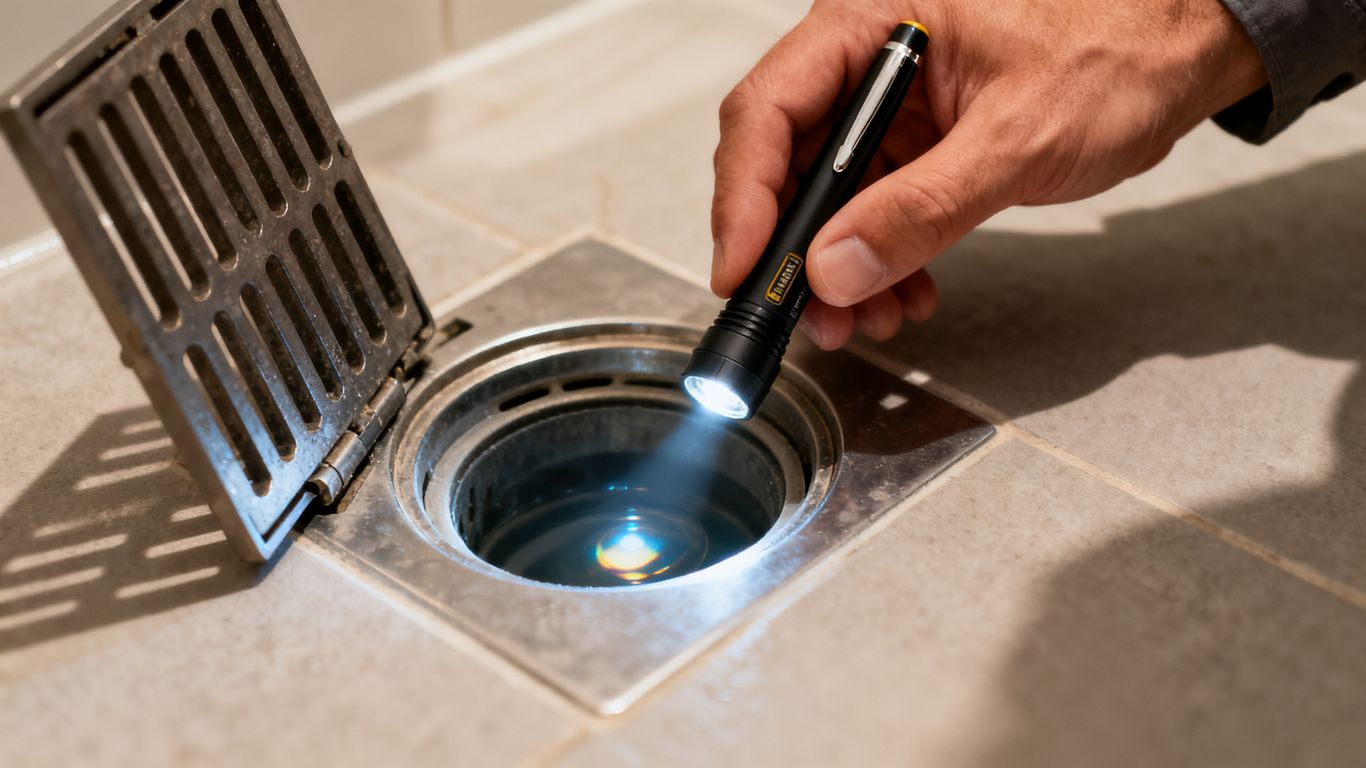
Recognizing signs of hair accumulation
Most homeowners notice a slow-draining shower well before it becomes a total blockage. When you see water puddling around your feet while showering, it usually indicates that materials like hair and body oils are caught near the surface. If you see visible strands or slime trapped in the drain grate, you can often address this issue using simple mechanical methods before it worsens.
Differentiating between surface and deep pipe blockages
Determining where the clog sits is critical for choosing the right strategy. A simple surface obstruction is easy to clear, while deep-pipe issues often require more specialized tools or the expertise of a firm like Novy Plumbing. If water drains slowly even after you clear the immediate area, the blockage likely exists further down the trap where Denver plumbing services might be necessary to restore full functionality.
Locating potential plumbing vent issues
Sometimes, a drain isn’t clogged at all, but rather struggling to intake enough air. If your shower fills up and then drains slowly while making a gurgling sound, the plumbing vent on your roof may be blocked by leaves or debris. While it is rare, failing to address this vent obstruction will keep your clogged shower drain solution ineffective regardless of how many chemicals you pour down the pipe.
Natural home remedies for minor clogs
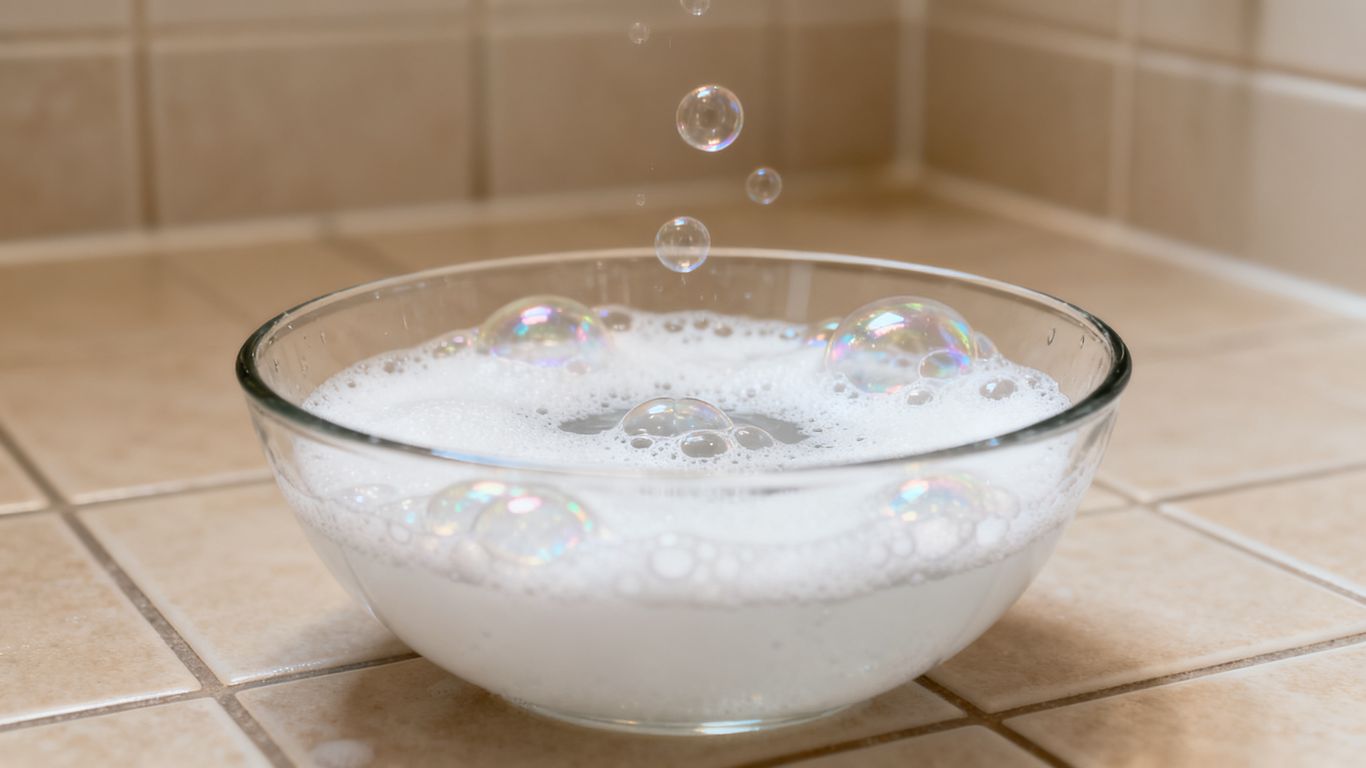
Using baking soda and vinegar for organic breakdown
Before you resort to harsh cleaners, try the classic combination of baking soda and vinegar. Mixing these two creates a fizzing reaction that can help loosen surface-level grime and soap residue found in Houston loft apartments and older homes alike. Pouring a half-cup of baking soda followed by a cup of vinegar into the drain allows the mixture to agitate the blockage effectively.
The effectiveness of boiling water flush cycles
Boiling water serves as an excellent follow-up to other treatments, provided your pipes are made of metal rather than thin plastic (PVC). By flushing the drain with hot water in several stages, you dissolve the loosened organic material and help it wash down the main sewer line. Never use this technique on PVC piping, as extreme heat can soften the connections and cause long-term leaks.
Comparing enzyme-based cleaners to traditional acidic solutions
Biological or enzyme-based cleaners work by introducing bacteria that feed on hair and soap residues. Unlike caustic acidic liquids, these enzymes do not damage stainless steel or plastic seals over time.
| Cleanser Type | Speed | Ideal For | Safety Level |
|---|---|---|---|
| Acidic Openers | Rapid | Severe deep clogs | Low (Requires PPE) |
| Enzyme Cleaners | Slow | Preventive care | High (Safe for all) |
| Baking Soda/Vinegar | Moderate | Minor buildup | Very High (Eco-friendly) |
These biological options are often safer for your household than traditional harsh acids, especially if you have sensitive plumbing fixtures.
Manual removal techniques for stubborn debris
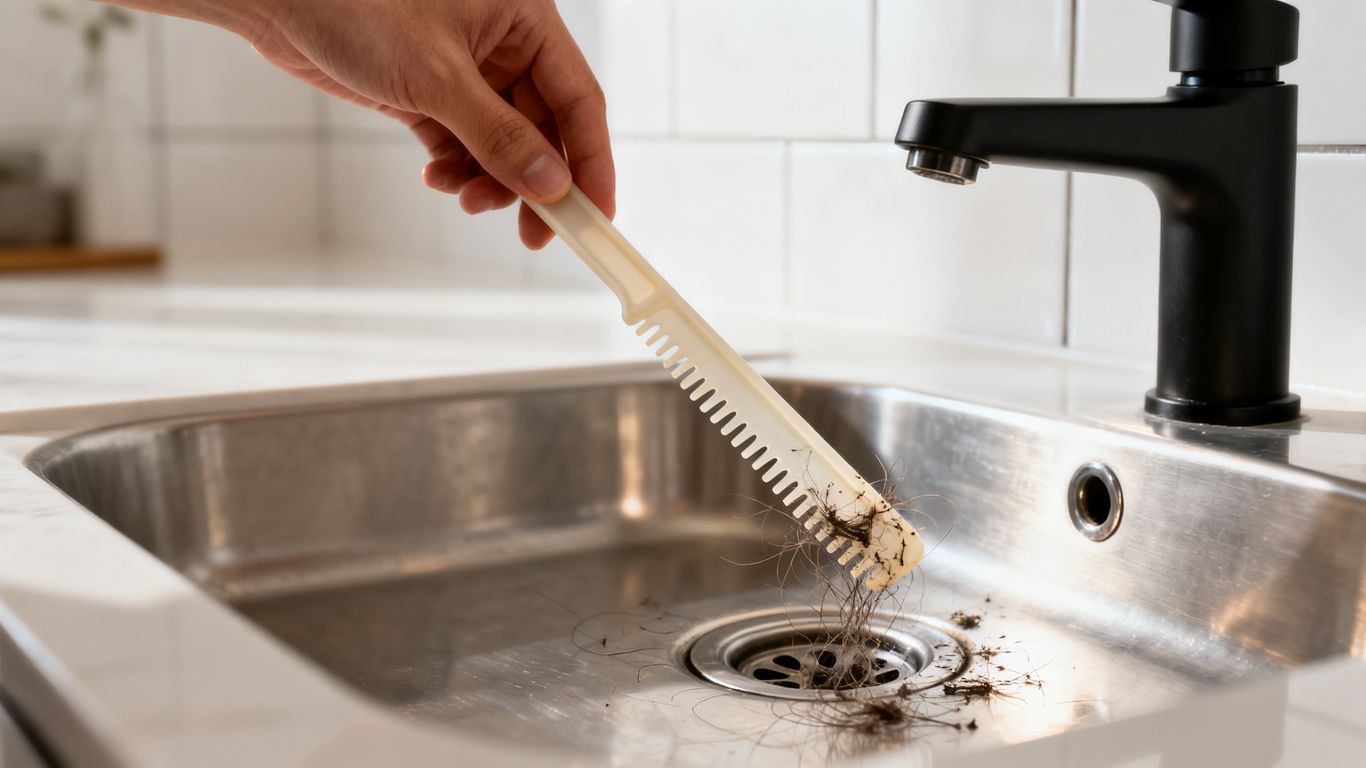
Extracting hair with a plastic drain snake or zip tool
For most bathroom clogs, a simple plastic zip tool is the most reliable clogged shower drain solution. You simply insert this barbed tool into the drain, twist it gently to hook onto hair, and pull it back out to reveal the matted mess blocking the flow. This method is far safer for your pipes than using aggressive, store-bought chemical bottles that could erode your system.
Proper usage of a cup plunger for localized pressure
If the blockage is slightly deeper than your reach, a cup plunger can often create enough pressure to dislodge the obstruction. To get the best results, remember to seal the overflow hole with a damp rag so that the vacuum force is concentrated solely on the blockage, a technique widely considered the plumber’s secret method for DIY success.
Removing the drain grate to access internal obstructions
Sometimes the grate is the main snag point for debris. Simply unscrewing this metal plate allows you to reach into the drain with long-nose pliers or a wire hanger. This simple access often saves people from needing to perform manual lead follow-up on their plumbing issues by letting them confirm the severity of the blockage before calling professionals for help.
Chemical intervention and safety protocols
Selecting the appropriate chemical drain opener by pipe type
When you must select a chemical opener, always read the label to ensure it is rated for your pipe material. Many older homes have steel or cast-iron pipes that react poorly to specific acidic compounds, whereas modern PVC can warp under high-heat exothermic reactions. Always ensure you are selecting a formula that won’t ruin your plumbing layout or create dangerous pressure build-up behind the walls.
Necessary personal protective gear for handling caustic liquids
Caustics can cause severe chemical burns upon contact with skin or splash damage to your eyes. Always wear thick, rubber-coated safety gloves and wrap-around safety glasses when pouring liquid drain openers. If you need to clean your dryer vent or perform other home maintenance, these same gloves offer excellent protection against sharp shards and metallic edges, reminding you that safety in a home environment is non-negotiable.
Minimizing damage to plumbing fixtures and seals
To prevent long-term damage, rinse the sink or shower basin thoroughly with cold water immediately after using a chemical opener. If solution sits on porcelain or chrome finishes for too long, it can dull the sheen or eat away at the protective coating. Proper rinsing is the key to maintaining the physical appearance of your bathroom while still fixing the underlying issue.
Long-term prevention and maintenance strategies
Installing hair catchers to reduce recurring clogs
This small investment acts as the first line of defense against almost all bathroom drain issues. By trapping hair before it enters the trap, you avoid the need for frequent manual snaking. These simple screens are cheap and easy to remove for cleaning, making them one of the most effective ways to avoid calling Novy Plumbing for recurring blockages.
Establishing a regular maintenance flushing schedule
Doing a simple, monthly flush with high-flow hot water and a mild soap can prevent debris from adhering to the pipe walls. Following this process keeps the internal diameter of the pipe clear, reducing the chance that small bits of lint or soap will snag and begin building a larger, more problematic clog.
Recognizing when a professional plumber is required
Sometimes, the issue persists despite your best efforts. If you notice a foul sewage odor that persists after the drain is cleared, or if you hear repetitive clinking in the pipes after a flush, it may indicate a collapsed section or tree root penetration, as noted in this helpful forum discussion on difficult plumbing hurdles. Don’t be afraid to admit when an issue is beyond your tools; Novy Plumbing provides the expertise required to handle complex problems that exceed any standard DIY, keeping your home environment healthy and your water system efficient.
Conclusion
Keeping your shower flowing freely is entirely possible with a combination of consistent cleaning habits and a few reliable hand tools. By addressing buildup early and utilizing methods like physical extraction or simple natural flushes, you can avoid dangerous chemical reliance and costly repairs. If you encounter a situation that seems consistently stubborn, trust your instincts and reach out for expert support to prevent long-term structural pipe issues.
Frequently Asked Questions
Why does my shower drain smell like sewage after I clear the clog?
A foul odor often stems from a dry p-trap, which is the U-shaped pipe meant to hold a small amount of water to block sewer gases. If the shower hasn’t been used in a while, pour a bucket of water down the hole to reset the barrier.
Can I use a wire clothes hanger to snake my drain?
You can, but you must be extremely careful not to scratch the interior of your pipes or lose the wire entirely inside the drain. It is safer to use a purpose-built plastic drain tool designed for this activity.
How often should I perform a preventative drain flush?
For a busy bathroom, a monthly flush using very hot water is usually sufficient to discourage the accumulation of soap scum. If your household has multiple long-haired individuals, you might want to perform this every two weeks.
Is it safe to mix bleach with commercial drain cleaners?
Absolutely not, as mixing household chemicals can produce toxic gas that is dangerous to inhale in a small bathroom space. Stick to one type of cleaner and never combine them under any circumstances.
What do I do if my plunger creates a vacuum but the water still won’t drain?
This indicates the blockage is likely further down the stack than the suction can reach, or you have a blocked air vent. At this stage, professional investigation is usually required to locate the specific point of failure.
Will boiling water melt my PVC pipes?
Standard PVC is rated to withstand temperatures around 140 degrees Fahrenheit, while boiling water is 212 degrees. It is best to avoid boiling water on PVC, as repeated exposure can soften the glue at the joints and eventually lead to leaks.
Does salt help unclog a drain?
Salt alone is not very effective against deep clogs, but it can be used in a mixture with baking soda and vinegar for some light scrubbing action. It is better regarded as a minor aid rather than a primary tool for clearing significant shower obstructions.